


Can people with diabetes drink salted kumquat juice?
May 07, 2022
Source: Cainiu Health

Dr. Pan Yongyuan
Introduction
People with diabetes can consume kumquats in moderation—provided their blood glucose levels are already within the target range. For example, postprandial (2-hour) blood glucose should be below 7.8 mmol/L, and fasting blood glucose (when hungry and having eaten nothing) should be below 6.0 mmol/L. Kumquats have properties that invigorate the mind, stimulate appetite, promote body fluid production, enhance beauty, and nourish the skin. Diabetic patients are generally advised to consume about three kumquats.
Kumquats are rich in vitamin C and other beneficial compounds, helping to maintain cardiovascular function and prevent arterial hardening. So, can people with diabetes consume salted kumquats?
Can people with diabetes consume salted kumquats?
Individuals with diabetes may consume kumquats in moderation—provided their blood glucose levels are already well-controlled. For instance, postprandial (2-hour) blood glucose should remain below 7.8 mmol/L, and fasting blood glucose should stay under 6.0 mmol/L. Kumquats possess invigorating and appetite-stimulating properties, promote bodily fluid production, and offer benefits for skin health and beauty. People with diabetes may include kumquats in their diet; generally, consuming about three kumquats per serving is appropriate. As long as blood glucose remains stable, small quantities of kumquats are unlikely to cause adverse effects.
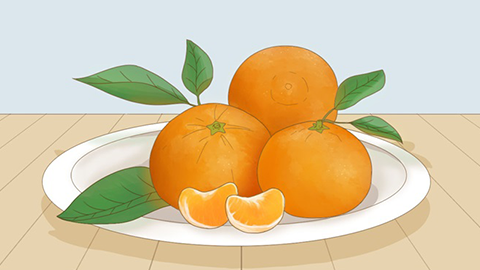
Diabetes is a group of metabolic disorders characterized by chronic hyperglycemia resulting from defects in insulin secretion and/or impaired insulin action. Contributing factors include genetic predisposition, environmental influences, obesity, physical inactivity, and dietary habits. Classic symptoms often include polyphagia (increased hunger), polydipsia (increased thirst), polyuria (frequent urination), and unexplained weight loss—the so-called “three highs and one low.” Daily management emphasizes a light, low-sugar diet, limiting high-sugar foods while increasing intake of fresh fruits and vegetables.
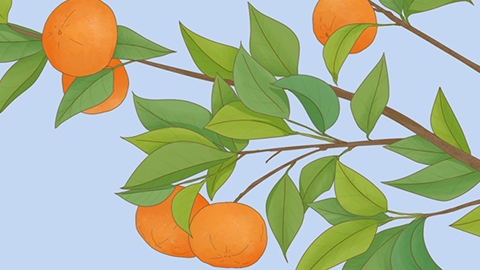
People with diabetes should follow individualized treatment plans—including oral hypoglycemic agents or insulin injections—as prescribed by their physicians, based on blood glucose monitoring and oral glucose tolerance test results. Lifestyle modifications are essential: adopt a low-sugar diet, control portion sizes (e.g., eat until ~80% full), and choose staple foods such as rice and whole grains. Additionally, maintaining emotional well-being and increasing physical activity are crucial. Preparing kumquats in water (e.g., as a mild infusion) is also a healthy option. We hope this information proves helpful!






