


Can people with high blood sugar eat pig stomach?
May 09, 2022
Source: Cainiu Health

Dr. Pan Yongyuan
Introduction
Individuals with hypertension are advised against consuming pig stomach. Pig stomach is an animal offal with a very high fat content, making it unsuitable for people with hypertension. Hypertensive patients require a low-salt, low-fat diet to control blood pressure and prevent the development of atherosclerosis. Consumption of pig stomach increases dietary fat intake and may lead to abnormal metabolism of cholesterol and triglycerides, thereby promoting the development of atherosclerosis.
Many people enjoy eating pig stomach (tripe), yet some individuals experience elevated blood glucose levels due to their inherent constitution and consequently worry about potential adverse effects on their condition. So, can individuals with high blood glucose consume pig stomach?
Can individuals with high blood glucose consume pig stomach?
Individuals with hypertension are advised against consuming pig stomach. As an animal offal product, pig stomach is exceptionally high in fat—making it unsuitable for those with hypertension. Hypertensive patients require a low-salt, low-fat diet to help control blood pressure and prevent the development of atherosclerosis. Consuming pig stomach increases dietary fat intake, thereby elevating serum cholesterol and triglyceride levels. Abnormal metabolism of cholesterol and triglycerides further promotes atherosclerosis. Since hypertensive individuals already face a higher baseline risk of atherosclerosis compared to the general population, ingesting pig stomach undoubtedly exacerbates this risk. Therefore, individuals with hypertension should avoid pig stomach altogether. Additionally, other animal offal—including large intestine (colon), liver, heart, and other organs such as pork head meat—should also be avoided.
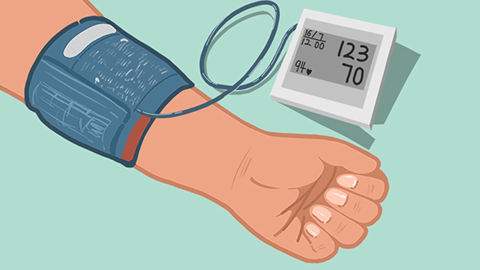
Elevated blood glucose warrants prompt evaluation and definitive diagnosis of diabetes mellitus. Diabetes management involves comprehensive, multifaceted strategies: 1. Dietary control: Reduce carbohydrate intake while maintaining appropriate proportions of carbohydrates, fats, and proteins. Emphasize green leafy vegetables for potassium supplementation, dairy products (e.g., milk) for calcium, and regular sun exposure. 2. Regular physical activity: Engage in moderate exercise to promote weight loss and reduce insulin resistance, thereby improving glycemic control. 3. Pharmacotherapy: Initiate appropriate antihyperglycemic agents based on individual glucose profiles—for example, enteric-coated metformin tablets, repaglinide tablets, or acarbose tablets. In cases of markedly elevated HbA1c, subcutaneous insulin therapy is recommended.

Routine self-monitoring of blood glucose is essential; medication and insulin dosages should be adjusted promptly according to glycemic trends. We hope this information proves helpful to you!







