


Can people with high blood sugar eat spicy wheat gluten snacks (la tiao)?
May 10, 2022
Source: Cainiu Health

Dr. Pan Yongyuan
Introduction
If individuals with high blood sugar have achieved adequate glycemic control and strongly desire to eat spicy wheat gluten snacks (“la tiao”), they may consume them in moderation. However, if their blood sugar remains poorly controlled, such snacks are not recommended. Spicy wheat gluten snacks contain substantial amounts of starch and carbohydrates, as well as a certain amount of sugar. Starch can be converted into glucose in the body; excessive consumption may elevate blood glucose levels and cause glycemic fluctuations.
Individuals with elevated blood glucose levels may occasionally consume small amounts of spicy wheat-based snacks (“la tiao”). A modest intake may stimulate appetite, and drinking ample water afterward generally does not adversely affect the condition. However, frequent or excessive consumption is not recommended. Spicy wheat snacks are high in starch and contain a certain amount of sugar, which may cause symptoms such as dry mouth and thirst—and potentially elevate blood glucose levels. So, can individuals with high blood glucose eat spicy wheat snacks?
Can individuals with high blood glucose eat spicy wheat snacks?
If an individual with elevated blood glucose has achieved good glycemic control and strongly desires to eat spicy wheat snacks, limited consumption is permissible—but overconsumption must be avoided. Conversely, if glycemic control remains suboptimal, spicy wheat snacks are not recommended. These snacks are rich in starch and carbohydrates and contain added sugars; starch can be metabolized into glucose, and excessive intake may lead to elevated blood glucose levels and glycemic fluctuations. Moreover, overeating spicy wheat snacks may induce “internal heat” (a traditional Chinese medicine concept), potentially resulting in constipation. Given their low nutritional value, individuals with elevated blood glucose should generally avoid spicy wheat snacks.
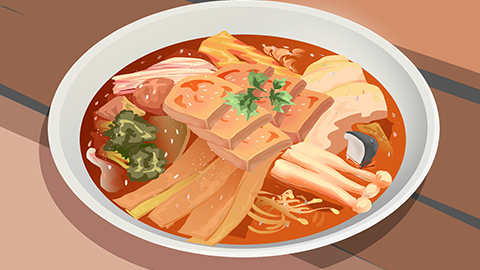
Daily intake of carbohydrates, fats, and proteins should be comprehensively managed. Emphasize vegetables rich in vitamin C and B vitamins. In addition to dietary control, regular physical activity—primarily aerobic exercise such as brisk walking or swimming—is essential to expend excess calories, maintain healthy body weight, and minimize blood glucose fluctuations.

Individuals with elevated blood glucose should avoid excessive intake of high-sugar foods (e.g., sweets), limit consumption of spicy, greasy, or highly stimulating foods, and also avoid foods excessively high in starch—to prevent worsening of their condition. We hope this information is helpful!







