


Can people with hyperlipidemia eat whole grains?
May 11, 2022
Source: Cainiu Health

Dr. Pan Yongyuan
Introduction
Individuals with hyperlipidemia can regularly consume whole grains. Whole grains are digested and emptied from the stomach slowly, producing a mild feeling of satiety that helps reduce overall food intake and control total daily caloric consumption. Therefore, whole grains are particularly suitable for individuals aiming to lose weight or those with elevated blood glucose or lipid levels. In daily life, moderate physical activity—such as jogging—is also recommended for optimal health management.
In daily life, many people develop hyperlipidemia (elevated blood lipid levels), which not only harms their physical health but also significantly impairs their quality of life and work performance. Understanding this condition is essential for effective prevention and treatment. So, can individuals with hyperlipidemia consume whole grains?
Can individuals with hyperlipidemia consume whole grains?
Yes, individuals with hyperlipidemia may safely include whole grains in their regular diet. Whole grains empty from the stomach slowly and induce mild satiety, thereby helping to reduce overall food intake and control total daily caloric consumption. Consequently, whole grains are particularly suitable for individuals aiming to lose weight or those with elevated blood glucose or lipid levels. In daily life, moderate aerobic exercise—such as brisk walking or jogging—is also recommended for metabolic regulation. Additionally, periodic follow-up evaluations and targeted pharmacological lipid-lowering therapy—as prescribed by a physician—are advised. Whole grains are generally beneficial for everyone. Should symptoms arise, patients must seek medical guidance for appropriate diagnosis and management. Whole grains contain insoluble dietary fiber, which enhances cholesterol excretion from the body. Since cholesterol is a major component of lipids, increased whole-grain consumption helps lower serum lipid levels.
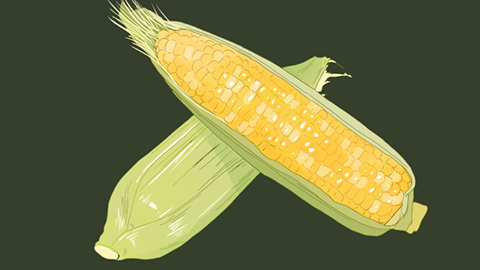
Patients with hyperlipidemia should ensure dietary diversity, consuming a wide variety of foods each day to maximize nutrient intake. While avoiding excessive intake of high-fat and high-cholesterol foods, they should still obtain adequate amounts of other essential nutrients. A balanced diet must include cereals, lean red meat, fresh vegetables and fruits, legumes and soy products, and dairy products. However, consuming more of these foods does not necessarily confer greater benefit; intake should be tailored according to individual nutritional requirements and physiological needs.
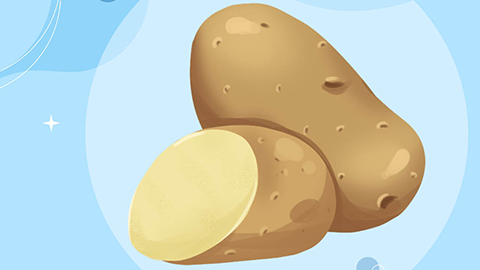
Individuals with hyperlipidemia should adhere to a low-fat diet, as excess dietary fat is one of the key contributors to hyperlipidemia development. Regular physical activity is also important—not only for lipid control but also for preventing associated comorbidities. We hope this information proves helpful to you!





