


What to Do for High Blood Sugar at Age 35
May 11, 2022
Source: Cainiu Health

Dr. Pan Yongyuan
Introduction
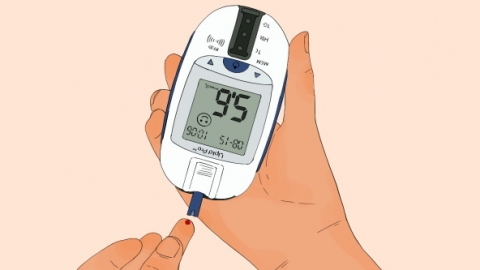
If blood glucose levels are elevated, appropriate measures should be actively taken to bring them back to the normal range. Depending on the specific blood glucose level, oral hypoglycemic agents or insulin injections may be used. When using oral hypoglycemic agents, attention must be paid to potential adverse drug reactions. Insulin injection sites should be rotated regularly to prevent subcutaneous fat atrophy. Insulin should be administered 30 minutes before meals.
High blood sugar in a 35-year-old individual may result from poor dietary habits, physical inactivity, excessive stress, diabetes mellitus, or Cushing’s syndrome. Management strategies include dietary adjustments, regular physical activity, stress reduction, and pharmacotherapy. It is strongly recommended to seek prompt medical evaluation and follow personalized treatment guidance from a healthcare professional.
1. Poor Dietary Habits
Consuming excessive amounts of high-sugar, high-fat, or high-carbohydrate foods can cause rapid, sharp increases in blood glucose levels—for example, eating large quantities of cake or sugary carbonated beverages at once. To mitigate this, practice portion control (eating until ~70–80% full), adopt a “smaller, more frequent meals” approach, and adjust your diet by increasing intake of vegetables, whole grains, and high-quality protein sources (e.g., lean meats, fish, legumes), while reducing consumption of highly processed foods and added sugars.
2. Physical Inactivity
Prolonged sedentary behavior reduces skeletal muscle uptake and utilization of glucose, contributing to elevated blood glucose levels—such as sitting for extended periods during office work with minimal physical activity. Aim for at least 150 minutes per week of moderate-intensity aerobic exercise (e.g., brisk walking, jogging, swimming). Additionally, incorporate more daily movement, such as taking the stairs instead of the elevator or alternating between sitting and standing during work hours.
3. Excessive Stress
Under stress, the body secretes hormones (e.g., cortisol, epinephrine) that stimulate hepatic glucose release, thereby raising blood glucose levels. Incorporate relaxation techniques—including deep breathing, meditation, or yoga—for 10–15 minutes daily.
4. Diabetes Mellitus
The primary pathophysiological mechanisms underlying diabetes include insulin resistance and relative insulin deficiency. Reduced cellular sensitivity to insulin impairs effective glucose utilization, leading to hyperglycemia. Under medical supervision, patients may be prescribed oral antidiabetic agents such as metformin hydrochloride tablets, gliclazide modified-release tablets, or acarbose tablets to help manage symptoms.
5. Cushing’s Syndrome
This condition involves excessive secretion of glucocorticoids by the adrenal cortex, which promotes gluconeogenesis and decreases peripheral glucose utilization—resulting in hyperglycemia. Pharmacologic management—under strict physician guidance—may include mitotane tablets, ketoconazole tablets, or metyrapone tablets to alleviate symptoms.
In daily life, maintain a light, balanced diet and avoid spicy or irritating foods (e.g., raw garlic, spicy hotpot, mustard). Ensure adequate rest and avoid overexertion to safeguard overall health.








