


What Causes Vaginal Candida albicans Infection?
May 11, 2022
Source: Cainiu Health

Dr. Jiang Weimin
Introduction
Causes of *Candida albicans* infection:
1. Endogenous infection is relatively common, most frequently involving the respiratory and gastrointestinal tracts.
2. Exogenous factors primarily involve direct contact transmission through various routes, including sexual contact, mother-to-child vertical transmission, and occupational exposure in water-related occupations.
3. Certain chronic diseases—such as diabetes mellitus, malignancies, chronic liver or kidney disease, and HIV/AIDS—can lead to immunosuppression.
Candida is the most common species within the Candida genus and can cause either localized or systemic infections, posing a threat to human health. This warrants serious attention. So, what causes Candida albicans infection?
Causes of Candida albicans Infection
1. Endogenous infection is relatively common. Candida albicans is part of the normal human microbiota and is typically present in low numbers—without pathogenicity—in sites such as the oral cavity, gastrointestinal tract, and respiratory tract. However, under certain conditions—particularly when local or systemic immunity is compromised—the organism may proliferate excessively and invade surrounding tissues, leading to self-infection. Respiratory and gastrointestinal infections are among the most frequently observed.
2. Exogenous factors primarily involve direct transmission via multiple routes, including sexual contact, mother-to-child vertical transmission, and occupational exposure in water-related work environments. Indirect transmission may also occur via healthcare workers or contaminated medical devices. In some cases, infection may result from ingestion of contaminated food or drinking water. These represent exogenous infection pathways.
3. Certain chronic diseases—including diabetes mellitus, malignancies, chronic liver or kidney disease, and HIV/AIDS—lead to immunosuppression. Additionally, invasive clinical procedures (e.g., organ transplantation, interventional therapies) and prolonged use of corticosteroids or immunosuppressive agents further impair host immunity, markedly increasing the incidence of candidiasis.
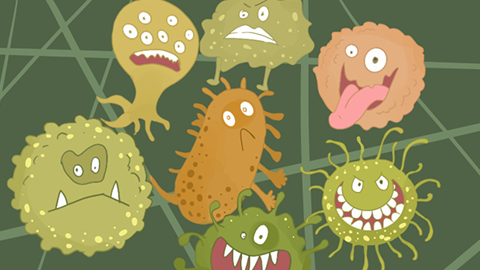
Candida infections may affect multiple anatomical sites, resulting in complex clinical manifestations—especially in individuals with multiple underlying comorbidities, for whom infection often leads to more severe outcomes.
Candida infections pose significant risks to health; thus, early detection and prompt treatment are strongly recommended. Preventive measures against associated conditions should also be implemented routinely. We hope this information has been helpful. Wishing you good health and happiness!






