


What should I do if I experience continuous bleeding after IUD insertion?
May 11, 2022
Source: Cainiu Health

Dr. Chen Zhe
Introduction
Persistent bleeding after IUD insertion is typically managed with oral hemostatic medications. These medications must be taken only under a physician’s guidance and should never be self-administered. If bleeding persists despite medication, it may indicate incompatibility with the intrauterine device (IUD); in such cases, bleeding often resolves once the vagina adapts to the IUD. During the post-insertion period, adequate rest is essential—avoid excessive physical exertion.
In daily life, some women are not yet ready to become mothers and often take contraceptive measures to prevent pregnancy. Insertion of an intrauterine device (IUD)—commonly referred to as “placing a ring”—is a widely chosen method among women. However, many have heard that abnormal vaginal bleeding may occur after IUD insertion, causing significant distress. So, what should be done if persistent bleeding occurs following IUD insertion?
What to Do If Bleeding Persists After IUD Insertion
In most cases, persistent post-IUD insertion bleeding can be managed with oral hemostatic medications. These medications must be taken strictly under a physician’s guidance—self-medication is strongly discouraged. If bleeding remains uncontrolled despite medication, it may indicate incompatibility between the individual and the IUD. In such cases, bleeding often resolves spontaneously once the uterus and vagina adapt to the presence of the device.
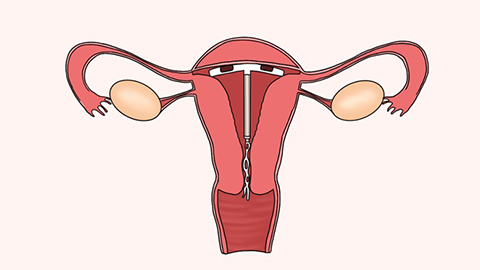
Clinical analysis: Typically, women experiencing bleeding after IUD insertion will notice gradual improvement over 1–3 months—menstrual flow decreases, periods shorten, and eventually return to normal. However, if symptoms fail to improve—or even worsen—despite appropriate treatment, IUD use is likely unsuitable for that individual, and alternative contraceptive methods should be considered.
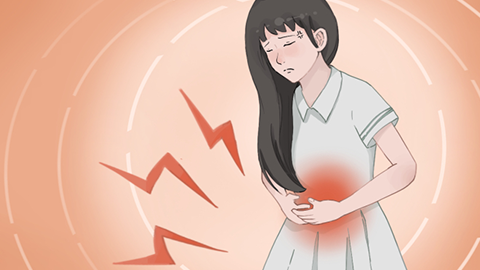
During the period following IUD insertion, prioritize adequate rest and avoid excessive physical exertion. Ensure sufficient sleep and maintain good local hygiene; opt for showers rather than baths when bathing. Diet should be light and easily digestible—avoid greasy or spicy, irritating foods. Increase intake of fresh fruits and vegetables rich in vitamins. We hope this information proves helpful to you!






