Clinical Manifestations of Huntington’s Disease and Parkinson’s Disease
May 13, 2022
Source: Cainiu Health

Dr. Zhang Jianbin
Introduction
Hawking’s disease and Parkinson’s syndrome are two distinct conditions with different clinical manifestations, as outlined below:
Hawking’s disease—also known as amyotrophic lateral sclerosis (ALS) or motor neuron disease—is primarily characterized by muscle weakness and atrophy. Clinical symptoms resulting from upper motor neuron involvement include slurred speech, dysphagia (difficulty swallowing), and aspiration coughing during drinking, all attributable to atrophy of the pharyngeal muscles.
Also known as paralysis agitans, Parkinson’s disease is a common neurodegenerative disorder affecting older adults. Its classic symptoms primarily include muscle rigidity, bradykinesia (slowed movement), and resting tremor. However, the query mistakenly refers to “Hawking Parkinson’s disease”—a non-existent medical term. The following clarifies the distinct clinical features of amyotrophic lateral sclerosis (ALS, commonly called “Lou Gehrig’s disease” or colloquially “Hawking’s disease”) and Parkinson’s syndrome.
Clinical Manifestations of ALS and Parkinson’s Syndrome
ALS and Parkinson’s syndrome are two distinct neurological disorders with different clinical presentations:
ALS (Amyotrophic Lateral Sclerosis)
Also termed motor neuron disease, ALS predominantly manifests as progressive muscle weakness and atrophy. Upper motor neuron involvement leads to symptoms such as dysarthria (slurred speech) and dysphagia (difficulty swallowing), often accompanied by aspiration coughing when drinking liquids. Limb involvement includes weakness and atrophy in the hands, proximal shoulder girdle muscles, and lower limbs—resulting in gait instability, difficulty rising from a squatting position, and impaired ambulation. When respiratory muscles—including the diaphragm—are affected, patients may experience dyspnea (labored breathing), hypoxia, and dizziness. Additionally, some ALS patients develop cognitive impairment.
Parkinson’s Syndrome
This condition is characterized by four cardinal motor signs: resting tremor, rigidity (muscle stiffness), postural instability, and bradykinesia (slowness of movement).
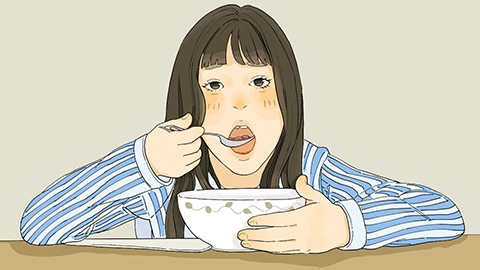
Patients with Parkinson’s syndrome may benefit from consuming fruits such as apples and grapes. Grapes, in particular, are rich in vitamins and amino acids, which help enhance immune function and may contribute to anti-aging effects.
For individuals with Parkinson’s disease, maintaining a balanced, nutritious diet and engaging regularly in functional physical exercise are essential for symptom management and overall well-being. We hope this information is helpful!