What Are Atypical Lymphocytes?
May 13, 2022
Source: Cainiu Health

Dr. Pan Yongyuan
Introduction
Atypical lymphocytes are morphologically abnormal lymphocytes that can be observed in the peripheral blood of healthy individuals, but their proportion does not exceed 2%. An increase in atypical lymphocytes is commonly seen in viral infections, such as infectious mononucleosis and epidemic hemorrhagic fever. In these conditions, the proportion of atypical lymphocytes may rise to over 10%, gradually declining over the subsequent months.
In clinical practice, when abnormal lymphocytes are detected on blood analysis, treatment must be initiated promptly and scientifically, based on the patient’s clinical presentation, to prevent disease progression. But what exactly are atypical lymphocytes?
What Are Atypical Lymphocytes?
Atypical lymphocytes are morphologically altered, non-typical lymphocytes. They may be observed in the peripheral blood of healthy individuals, but normally constitute no more than 2% of total lymphocytes. An increase in atypical lymphocytes is commonly associated with viral infections—such as infectious mononucleosis and epidemic hemorrhagic fever—and may reach proportions exceeding 10%. Following clinical recovery, atypical lymphocytes may persist in peripheral blood for several weeks and gradually disappear over subsequent months. They may also appear in certain bacterial infections, leptospirosis, rickettsial infections, drug hypersensitivity reactions, blood transfusions, hemodialysis, or extracorporeal circulation—potentially linked to human herpesvirus 6 (HHV-6) infection.
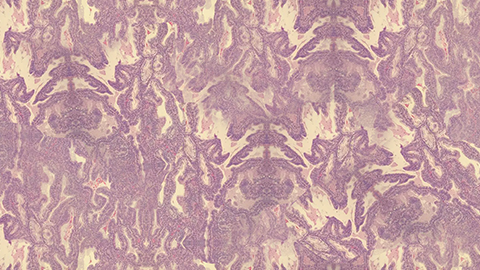
Atypical lymphocytes typically arise in response to immune stimulation—such as viral infection or drug-induced stress—resulting in marked cellular enlargement, nuclear enlargement, deepened cytoplasmic staining, and cytoplasmic vacuolation. These features distinguish them from normal lymphocytes and indicate potential pathological significance. Infectious mononucleosis and Epstein–Barr virus (EBV) infection are among the most common etiologies.

Note that certain medications—including sodium salicylate, phenytoin, barbiturates, dapsone, organic arsenicals, quinine, and isoniazid—can induce abnormal lymphocyte proliferation. We hope this explanation proves helpful.