


What should I do about premature graying and hair loss?
May 13, 2022
Source: Cainiu Health

Dr. Liu Wan
Introduction
Premature graying and hair loss are two distinct conditions. For individuals experiencing premature graying, the first step is to assess whether there is a genetic component—some patients have family members who developed gray hair at an early age. Others may develop premature graying due to factors such as chronic sleep deprivation, excessive fatigue, mental stress, or poor sleep quality; in such cases, lifestyle modifications are essential.
Individuals with thick, lush hair often appear especially vibrant and energetic. However, many people begin experiencing premature graying and hair loss at a young age, making them look significantly older than their actual age. So, what can be done about premature graying and hair loss?
What to Do About Premature Graying and Hair Loss
Premature graying and hair loss are two distinct conditions. For individuals experiencing premature graying, the first step is to assess whether there is a genetic predisposition—some people inherit an early onset of graying from family members. Others develop gray hair due to excessive fatigue, chronic sleep deprivation, mental stress, or poor sleep quality. In such cases, lifestyle adjustments are essential, as conventional medications generally cannot reverse or prevent graying. Regarding hair loss, numerous underlying causes exist. The most common type is androgenetic alopecia (male- or female-pattern baldness), which can be effectively managed with medications such as finasteride and minoxidil. Additionally, maintaining regular, healthy sleep-wake cycles and overall good lifestyle habits is crucial.
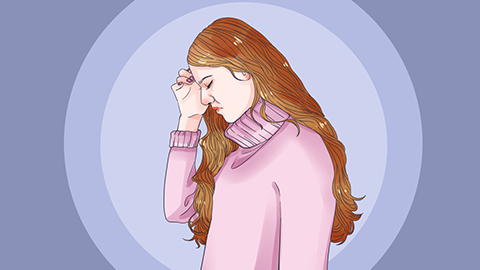
Stress-related hair loss and premature graying may stem from excessive psychological pressure. Maintaining scalp hygiene is vital—especially for patients with alopecia areata. During cleansing, gentle scalp massage can help improve local blood circulation and stimulate new hair growth. Equally important is preserving emotional well-being: maintain a regular daily routine, practice routine stress reduction, and incorporate stress-relieving activities such as physical exercise or travel into daily life.
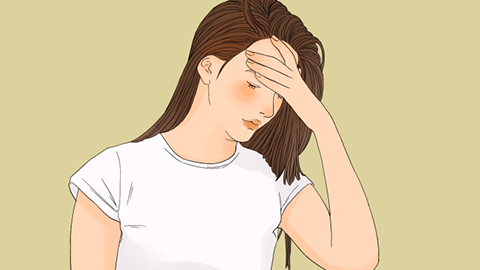
Consume foods rich in protein and vitamins, such as eggs, dairy products, lean meats, fish, legumes, seafood, black sesame seeds, and mulberries. Protect your scalp from intense sunlight and dry, windy conditions. Pay special attention to moisturizing and hydrating both the scalp and hair strands. We hope this information proves helpful!



