


Is bleeding after IUD insertion normal?
May 13, 2022
Source: Cainiu Health

Dr. Chen Zhe
Introduction
Bleeding after IUD insertion is normal, and most women experience some degree of bleeding. This occurs because the endometrium sustains minor trauma during the procedure. Vaginal bleeding typically lasts less than one week following IUD insertion. If bleeding persists beyond one week, prompt medical evaluation is recommended to implement appropriate measures and prevent adverse effects. After IUD insertion, rest for three days is advised. Heavy physical labor—especially lifting heavy objects—should be avoided for one week.
Some women opt for intrauterine device (IUD) insertion as a method of contraception. However, many female patients are relatively unfamiliar with this approach and lack detailed understanding of it. Post-insertion vaginal bleeding is a common concern that troubles numerous women. So, is vaginal bleeding after IUD insertion normal?
Is vaginal bleeding after IUD insertion normal?
Yes, vaginal bleeding following IUD insertion is generally normal, and most women experience some degree of bleeding. This occurs because the endometrium may sustain minor trauma during the procedure. Typically, such vaginal bleeding lasts less than one week. If bleeding persists beyond seven days, prompt medical consultation is advised to implement appropriate interventions and prevent adverse effects.
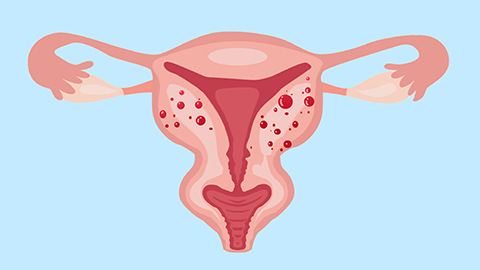
Following IUD insertion into the uterine cavity, minor endometrial shedding may occur due to contact between the device and the endometrium during placement, resulting in vaginal bleeding. However, the volume of bleeding should not exceed that of a typical menstrual period. If bleeding exceeds menstrual flow or continues persistently, further evaluation is essential. Pelvic ultrasound imaging—including assessment of the uterus and adnexa—can help determine whether complications such as uterine perforation or IUD displacement have occurred.

After IUD insertion, patients should rest for three days. Heavy physical labor—especially lifting heavy objects—should be avoided for one week. Mild vaginal bleeding and increased vaginal discharge are common post-procedure; a small number of individuals may also experience mild abdominal discomfort. In most cases, these symptoms are self-limiting and do not require specific treatment. Sexual intercourse and bathing (including tub baths and swimming) should be avoided for two weeks to minimize infection risk. We hope this information is helpful to you!



