


What Are the Effects of X-rays on Sperm in Men?
May 13, 2022
Source: Cainiu Health

Dr. Li Mingchuan
Introduction
X-rays have a certain impact on sperm in males, and severe exposure may lead to male infertility. After prolonged X-ray irradiation, spermatogonia in the seminiferous epithelium of the testes are highly sensitive to radiation. Mild cases may present with reduced sperm count and increased abnormal sperm; severe cases may result in testicular atrophy and azoospermia. Temporary infertility may occur within one year following irradiation with a dose of 250 cGy.
Some men require X-ray examinations due to certain medical conditions; however, such exposure may adversely affect sperm quality. What impact does X-ray exposure have on male sperm?
How Does X-ray Exposure Affect Male Sperm?
X-ray exposure can exert a measurable effect on male sperm, and in severe cases, may even lead to male infertility. Prolonged or repeated X-ray irradiation renders the spermatogonia—stem cells in the testicular seminiferous epithelium—highly sensitive to radiation. Mild exposure may reduce sperm count and increase the proportion of abnormal sperm; more severe exposure may cause testicular atrophy and azoospermia (absence of sperm in the ejaculate). For instance, irradiation with a dose of 250 cGy (centigray) can result in temporary infertility within one year. However, modern medical facilities implement stringent radiation safety measures, and the associated health risks to patients are generally low. The extent of biological damage from X-rays primarily depends on both the quality of the imaging equipment and the radiation dose administered.
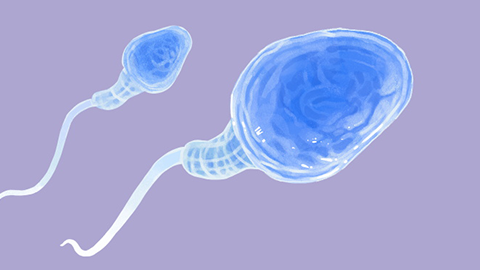
X-ray exposure in men can also affect pregnancy planning. While many people are aware that women should avoid X-ray examinations during preconception, fewer recognize that men’s X-ray exposure likewise carries implications for fertility. This is because ionizing radiation can impair sperm quality—specifically by damaging spermatogenic cells in the testes, thereby disrupting normal sperm production and potentially increasing the rate of sperm morphological abnormalities.

Therefore, it is advisable that couples delay conception for three to six months following X-ray exposure in either partner. Additionally, maintaining healthy lifestyle habits—including adequate sleep, regular physical exercise, and balanced nutrition—can enhance overall immunity and help prevent illness. We hope this information proves helpful to you!










