


Can “shanghuo” (excessive internal heat) cause hematuria?
May 15, 2022
Source: Cainiu Health

Dr. He Haochen
Introduction
Patients experiencing “shang huo” (a traditional Chinese medicine concept referring to excessive internal heat) may present with hematuria. In Western medicine, this condition is termed a urinary tract infection (UTI), particularly a lower urinary tract infection (LUTI). The primary clinical manifestations of LUTI include urinary frequency, urinary urgency, and lower abdominal distension or discomfort. Hematuria—especially gross hematuria occurring at the end of urination (terminal hematuria)—may be observed; systemic symptoms such as fever are typically absent. Treatment of LUTI should involve antibiotic therapy, preferably with an agent to which the causative pathogen is sensitive.
After “excess internal heat” (a traditional Chinese medicine concept), many individuals experience highly noticeable symptoms. However, many people pay insufficient attention to proper self-care when such symptoms arise. Can “excess internal heat” cause hematuria (blood in the urine)?
Can “excess internal heat” cause hematuria?
Patients experiencing “excess internal heat” may develop hematuria—a term used in Traditional Chinese Medicine (TCM). In Western medicine, this condition is typically diagnosed as a urinary tract infection (UTI), particularly a lower urinary tract infection (LUTI). The primary clinical manifestations of LUTI include urinary frequency, urgency, dysuria (painful urination), and lower abdominal distension or discomfort. Hematuria—especially gross hematuria occurring at the end of urination (terminal hematuria)—may be observed. Typically, patients do not present with systemic symptoms such as fever.
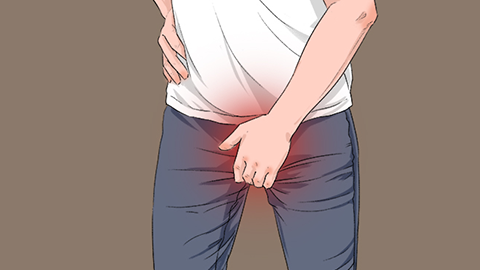
Antibiotic therapy is the mainstay of treatment for lower urinary tract infections. Antibiotics should be selected based on culture and sensitivity results. Oral antibiotics commonly used include fosfomycin trometamol, piperacillin, nitrofurantoin, fluoroquinolones, and second- or third-generation cephalosporins. For women, single-dose or short-course (3-day) regimens are generally recommended, whereas men typically require a 7-day course. Additionally, patients should increase fluid intake, ensure adequate rest, avoid overexertion, and abstain from sexual activity during treatment.
If urinary irritation symptoms (e.g., frequency, urgency, dysuria) are severe, symptomatic relief medications may be prescribed—for example, flavoxate or pipemidic acid. Urinary alkalization using agents such as sodium bicarbonate may also help alleviate urinary irritation. If symptoms fail to improve or worsen following initial treatment, patients should consider the possibility of a specific or atypical infection and undergo further diagnostic evaluation to confirm the underlying cause and guide targeted therapy. We hope this information proves helpful!





