


Can excessive internal heat cause nosebleeds?
Jun 23, 2025
Source: Cainiu Health

Dr. Sun Lianqing
Introduction
When "heatiness" occurs, heat accumulates in the body and water is consumed more quickly, causing the nasal mucosa to become dry. The dried mucosa loses its protective effect on the blood vessels, reducing the elasticity of capillaries in the nasal cavity. As a result, minor external friction, such as picking the nose or forcefully blowing the nose, can easily cause the capillaries to rupture and bleed. Prolonged "heatiness" that does not resolve, or excessive consumption of spicy and heat-inducing foods, can further worsen nasal dryness.
Heatiness may cause nosebleeds, which commonly occur when the nasal mucosa is dry and fragile or when the blood vessels are irritated. However, nosebleeds generally won't happen if the condition is promptly managed and the nasal cavity remains in good condition. If you have concerns, it is advisable to seek medical consultation in advance. Detailed explanation is as follows:
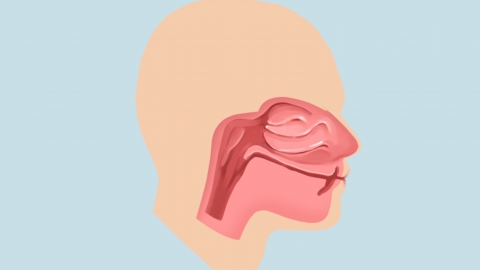
When experiencing heatiness, internal heat accumulates and the body consumes water more rapidly, causing the nasal mucosa to become dry. The dried mucosa loses its protective effect on the blood vessels, reducing the elasticity of the capillaries in the nasal cavity. Even minor external friction, such as picking the nose or blowing the nose forcefully, can cause these capillaries to rupture and bleed. Particularly when heatiness persists for an extended period without relief, or excessive spicy and heat-inducing foods are consumed, nasal dryness worsens, significantly increasing the likelihood of nosebleeds.
If dietary adjustments are made promptly after experiencing heatiness—such as consuming more heat-clearing and fire-reducing foods like bitter melon and mung beans—along with adequate hydration and using a humidifier to maintain moist air and moisturize the nasal mucosa—the risk of blood vessel rupture can be reduced. In such cases, even if heatiness is present, nosebleeds are unlikely to occur as long as the nasal mucosa remains adequately moist.
Maintaining a balanced diet in daily life and avoiding excessive consumption of spicy and fried foods can help prevent heatiness. Once symptoms of heatiness appear, timely regulation through dietary therapy or other methods is recommended. If nosebleeds occur frequently or involve heavy bleeding, prompt medical attention should be sought.



