


What to Do When Immunity Declines
May 16, 2022
Source: Cainiu Health

Dr. Pan Yongyuan
Introduction
Various factors—such as excessive fatigue, stress, nutrient deficiencies, and medication use—can weaken the body’s resistance. Different causes require distinct management strategies. Appropriate rest is essential: overexertion reduces metabolic activity and overall physiological function, impairs the immune system’s capacity for immune surveillance and immune defense, and consequently diminishes resistance.
Immunity refers to the body’s immune mechanisms—the capacity to defend against invasion by external pathogenic microorganisms. Various factors—including excessive fatigue, psychological stress, nutritional deficiencies, and certain medications—can impair immune function. So, what should one do when immunity declines?
What to Do When Immunity Declines
Numerous factors—including overwork, stress, inadequate nutrition, and medication use—can weaken the body’s immune defenses. Accordingly, interventions must be tailored to the underlying cause. Adequate rest: Excessive fatigue reduces metabolic activity and overall physiological function, thereby compromising the efficiency of immune surveillance and immune defense—key components of immunity. Ensuring sufficient rest helps maintain vitality and keeps the immune system operating at peak efficiency.
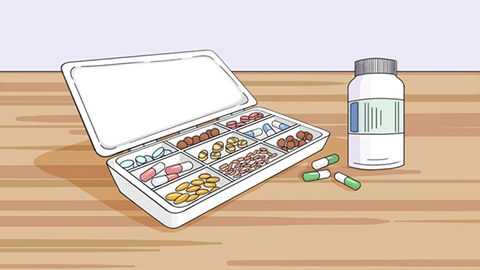
Stress reduction: Anxiety and tension induced by chronic stress negatively affect immune system function, leading to diminished resistance. Maintaining a positive mental state supports the stability of bodily functions and enhances immune resilience. Nutritional supplementation: Deficiencies in proteins, minerals, vitamins, and other essential nutrients can impair immunity. Consuming nutrient-rich foods—including lean meats, eggs, dairy products, fresh fruits, and vegetables—helps replenish vital nutrients and bolster immune defenses.

Regular moderate exercise: Engaging in appropriate physical activity enhances multiple physiological functions and improves immune system efficiency, thereby strengthening overall resistance. Additionally, certain medications—including some immunosuppressants prescribed for specific diseases—may intentionally suppress immune function. In such cases, alternative therapies or discontinuation of treatment (under medical supervision) may be considered as appropriate. We hope this article has been helpful. Wishing you a joyful life and optimal health!






