


What should be done if a premature infant’s weight gain is slow?
May 16, 2022
Source: Cainiu Health

Dr. Xie Zixing
Introduction
Preterm infants often experience slow weight gain. This time, the primary focus should be on ensuring adequate—ideally increased and sufficient—energy supply to support normal, healthy growth. Due to their increasingly earlier gestational age at birth, preterm infants have significantly lower body maturity compared with full-term infants of the same chronological age; therefore, they require specialized infant formula.
It is common for preterm infants to gain weight slowly, and parents need not become overly anxious. In China, preterm infants often develop more slowly than full-term babies, and their various organ systems may be less mature and fully functional during early development. So, what should be done if a preterm infant’s weight gain is slow?
What to do if a preterm infant gains weight slowly
Slow weight gain in preterm infants primarily requires ensuring adequate—ideally increased and sufficient—energy intake to support normal, healthy growth. Because preterm infants are born earlier, their body weight and physiological maturity are significantly lower than those of full-term infants of the same postmenstrual age; therefore, they require specialized nutrition. If formula feeding is used, preterm infant formula should be selected.
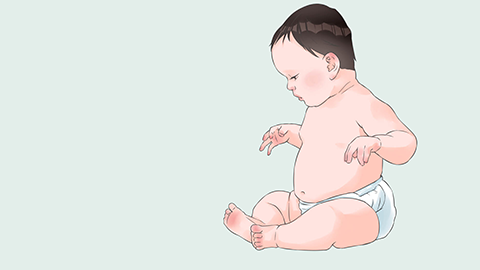
If breastfeeding, human milk fortifier (HMF) should be added to expressed breast milk before feeding. This supplementation provides additional energy and nutrients essential to support catch-up growth. In some cases, underlying medical conditions—such as chronic diarrhea—may impair growth and development.

Therefore, prior to initiating treatment, it is essential to evaluate the infant’s other clinical symptoms and perform necessary laboratory tests to identify the underlying cause.We hope this information is helpful. Wishing you good health and happiness!




