


What Are the Side Effects of Taking Corticosteroids?
May 17, 2022
Source: Cainiu Health

Dr. Liu Wan
Introduction
Symptoms such as moon facies, buffalo hump, thin skin, hirsutism, edema, hypokalemia, hypertension, and diabetes may occur; these symptoms resolve spontaneously upon discontinuation of the drug. Long-term, high-dose glucocorticoid therapy may also induce or exacerbate infections. Prolonged use can trigger new infections or disseminate preexisting latent infections—particularly in patients with underlying conditions such as leukemia, aplastic anemia, or nephrotic syndrome, where immune competence is already compromised.
Long-term, high-dose use of glucocorticoids can cause numerous adverse effects. So, what are the side effects of taking glucocorticoid medications?
Side Effects of Glucocorticoid Therapy
The first major adverse effect is iatrogenic Cushing’s syndrome—also known as hyperadrenocorticism—which results from excessive glucocorticoid-induced disturbances in lipid and water–electrolyte metabolism. Clinical manifestations include a “moon face,” “buffalo hump,” thin skin, hirsutism, edema, hypokalemia, hypertension, and diabetes mellitus. These symptoms typically resolve spontaneously after discontinuation of the drug. Long-term, high-dose glucocorticoid therapy may also induce or exacerbate infections. Prolonged administration can trigger new infections or promote the dissemination of latent infections, particularly in patients with preexisting conditions—such as leukemia, aplastic anemia, or nephrotic syndrome—whose immune defenses are already compromised.
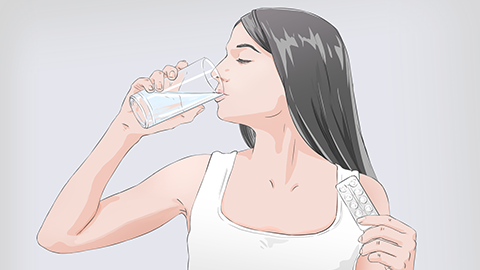
Glucocorticoids stimulate gastric acid and pepsin secretion while inhibiting gastric mucus production, thereby reducing the resistance of the gastrointestinal mucosa. Consequently, they may precipitate or worsen peptic ulcer disease, potentially leading to gastrointestinal bleeding or perforation. Long-term glucocorticoid use may also adversely affect the cardiovascular system, causing sodium and water retention and elevating serum lipid levels—contributing to hypertension and atherosclerosis.
Withdrawal after prolonged glucocorticoid therapy may provoke a withdrawal syndrome and iatrogenic adrenal insufficiency, potentially worsening the underlying condition. We hope this information has been helpful! Wishing you good health and happiness!



