


Symptoms of Bone Tuberculosis What symptoms does bone tuberculosis cause?
May 17, 2022
Source: Cainiu Health

Dr. Lin Yunfei
Introduction
Patients with bone tuberculosis should ensure adequate sleep, consume high-quality, protein-rich foods, and include fresh fruits and vegetables in their diet. Additionally, they should maintain healthy lifestyle habits, particularly ensuring sufficient sleep duration. Diagnosis requires comprehensive evaluation based on both laboratory tests and imaging studies. We hope this response is helpful to you. Wishing you good health and a happy life!
Bone tuberculosis is a disease caused by Mycobacterium tuberculosis infection of the skeletal system. It may cause pain and swelling, and is often accompanied by abscesses or palpable masses. What symptoms does bone tuberculosis present?
Symptoms of Bone Tuberculosis
Bone tuberculosis can produce both systemic tuberculous intoxication symptoms and local manifestations. It typically occurs when Mycobacterium tuberculosis disseminates hematogenously (e.g., via the bloodstream) to bone tissue, where it colonizes, proliferates, and causes destruction of bone or adjacent soft tissues—thus representing a form of secondary tuberculosis. The primary focus is most commonly pulmonary tuberculosis, though gastrointestinal tuberculosis is occasionally responsible. Systemic symptoms may include fatigue, low-grade fever in the afternoon, night sweats, weight loss, and anorexia. Local symptoms commonly include pain, swelling, and functional impairment—with pain being the predominant symptom.
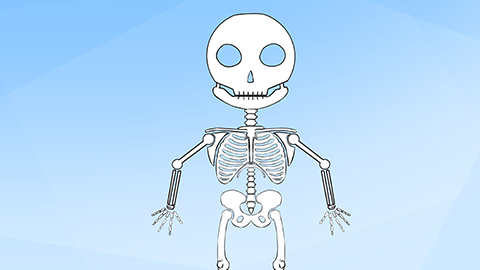
In spinal tuberculosis, nerve root irritation may lead to radiating pain down one leg. When tuberculosis affects superficial joints, clinical manifestations such as joint swelling and restricted mobility may occur. Diagnosis requires comprehensive evaluation incorporating laboratory tests and imaging studies.
Patients with bone tuberculosis should ensure adequate sleep, consume high-quality, protein-rich foods, and include fresh fruits and vegetables in their diet. Additionally, maintaining healthy lifestyle habits—including sufficient rest—is essential. We hope this information proves helpful to you!





