


Can bone tuberculosis be cured?
Apr 24, 2022
Source: Cainiu Health

Dr. Lin Yunfei
Introduction
Common Treatment Methods for Bone Tuberculosis: Drug Therapy
Drug therapy is one of the most commonly used interventions for managing bone tuberculosis. First-line anti-tubercular agents frequently employed include rifampin, fluoroquinolones, and pyrazinamide—drugs known for their potent anti-tubercular activity. However, the duration of treatment must be individualized according to the patient’s specific clinical condition. Most patients require approximately 18 months of drug therapy.
Bone tuberculosis is a challenging condition to treat. Although its incidence in clinical practice is relatively low, it poses significant harm to human health and can severely impair normal function in the affected area. So, can bone tuberculosis be cured?
Can Bone Tuberculosis Be Cured?
Common treatment approaches for bone tuberculosis include drug therapy—the most frequently used intervention. Standard anti-tubercular medications include rifampicin, fluoroquinolones, and pyrazinamide, all of which demonstrate potent anti-tubercular activity. However, treatment duration must be tailored according to the individual patient’s clinical status. Most patients require approximately 18 months of medication. In cases of drug-resistant pulmonary tuberculosis, treatment duration may need to be extended—often exceeding two years.
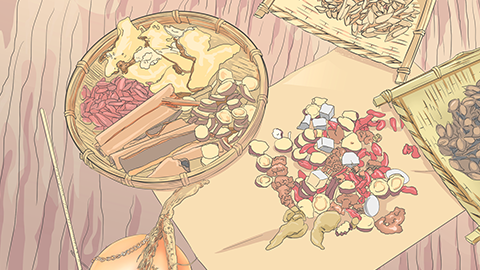
Traditional Chinese Medicine (TCM) emphasizes syndrome differentiation and individualized treatment. When managing this condition, TCM practitioners select specific herbal formulas based on the patient’s unique pattern of symptoms. Patients are advised to choose appropriate herbs according to their individual manifestations—for example, warming and tonifying yang, dispelling cold and resolving phlegm, nourishing yin and clearing heat, invigorating qi and blood, or tonifying the liver and kidneys.
Surgical intervention becomes necessary when bone tuberculosis progresses to an advanced stage. The most commonly performed procedures in clinical practice include incision and drainage of abscesses and debridement of infected lesions.

Additionally, depending on disease-specific requirements, surgical options may include osteotomy for correction of deformities, arthroplasty to restore joint function, and spinal instrumentation to enhance spinal stability. We hope this information proves helpful to you!



