


What Is Bone Tuberculosis?
May 30, 2022
Source: Cainiu Health

Dr. Lin Yunfei
Introduction
Osseous tuberculosis commonly occurs in children and adolescents. It is a secondary form of tuberculosis, with the primary lesion typically located in the lungs (pulmonary tuberculosis) or the gastrointestinal tract (gastrointestinal tuberculosis). Clinical manifestations of osseous tuberculosis include:
- Classic tuberculous intoxication symptoms: insidious onset, low-grade fever, fatigue, night sweats, weight loss, anorexia, and anemia;
- In some cases, an acute presentation may occur, characterized by high fever and systemic toxic symptoms.
Joints frequently become stiff and deformed due to fibrotic inflammatory adhesions, resulting in functional impairment of varying severity—making this one of the diseases with a relatively high rate of disability. So, what is skeletal tuberculosis?
What Is Skeletal Tuberculosis?
Skeletal tuberculosis is a secondary form of tuberculosis, with primary foci typically located in the lungs (pulmonary tuberculosis) or gastrointestinal tract (intestinal tuberculosis). It commonly affects children and adolescents. Clinically, typical manifestations include classic systemic tuberculous intoxication symptoms: insidious onset, low-grade fever, fatigue, night sweats, weight loss, anorexia, and anemia. In some cases, however, patients present with acute illness characterized by high fever and severe toxemia—more frequently observed in children and immunocompromised individuals. Spinal tuberculosis most commonly involves the lumbar spine, thoracolumbar junction, and thoracic spine. Pain is a hallmark symptom: localized pain at the affected site, initially mild but progressively worsening with physical activity.
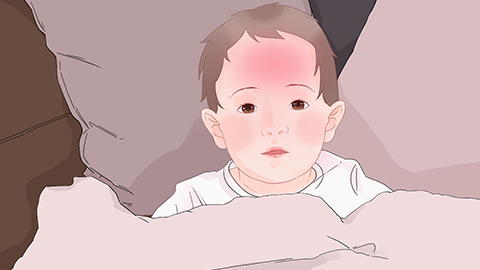
Skeletal tuberculosis is an infectious disease caused by Mycobacterium tuberculosis, primarily affecting the metaphyses of long bones, synovial joints, and vertebral bodies. Most cases of osteoarticular tuberculosis occur secondarily in patients with preexisting pulmonary or intestinal tuberculosis. Clinical features include periarticular swelling and pain, restricted joint mobility, and systemic symptoms such as low-grade fever and anemia. In advanced stages, the entire joint may become involved.
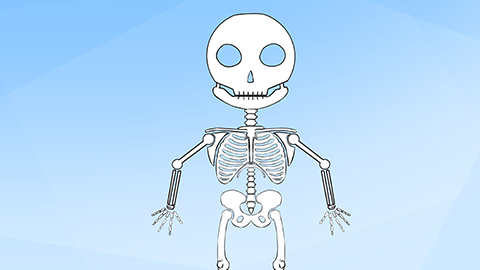
Early detection, early treatment, and early disease control are critically important. Even with successful treatment in later stages, residual sequelae are often unavoidable. We hope this information has been helpful!



