


What Are the Side Effects of Facial Liposuction?
May 17, 2022
Source: Cainiu Health

Dr. Liu Wan
Introduction
After facial liposuction, asymmetrical fat distribution between the left and right sides of the face may occur. Additionally, if strict aseptic technique is not followed during surgery—or if postoperative care is inadequate—infection may develop. Patients with a keloid-prone or hypertrophic scar tendency may develop more noticeable scars after the procedure. Following facial liposuction, it is essential to keep the wound and dressings clean and dry.
A delicate, smaller face is desired by everyone. However, some individuals naturally have larger facial contours, which can cause distress for many. As a result, some opt for facial liposuction to achieve facial slimming. So, what are the potential complications of facial liposuction?
What Are the Potential Complications of Facial Liposuction?
Common postoperative complications following facial liposuction include the following:
Asymmetry in facial fat distribution may occur after surgery. Additionally, if strict aseptic technique is not followed during the procedure—or if postoperative care is inadequate—infection may develop. Patients with keloid-prone skin may develop conspicuous scars following surgery.
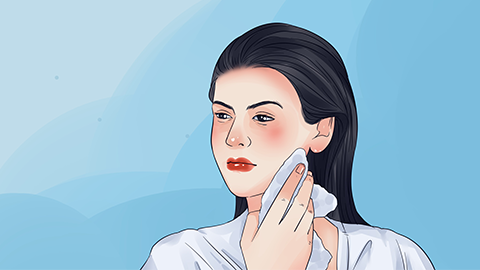
After facial liposuction, it is essential to keep the incision site and dressings clean and dry; dressings should be promptly changed at the hospital if they become wet. Seek immediate medical evaluation if you experience any of the following abnormal symptoms: fever, persistent pain at the surgical site, blistering or darkening of the skin, excessive wound drainage, or shortness of breath and respiratory distress. For the first three days postoperatively, bed rest is strongly recommended; avoid strenuous physical activity or exercise. Protect the treated area from direct sun exposure. Antibiotics and other medications must be used strictly as prescribed by your physician to prevent infection. Regular follow-up visits are essential.

Postoperative dietary recommendations include consuming light, non-irritating foods—avoid spicy or stimulating items—and increasing intake of fruits and vegetables. Avoid staying up late and maintain healthy lifestyle habits. To minimize the risk of complications, choose a reputable hospital and a qualified, board-certified surgeon. Meticulous postoperative care is equally critical. We hope this information has been helpful. Wishing you good health and happiness!





