


How is osteomyelitis treated?
May 17, 2022
Source: Cainiu Health

Dr. Lin Yunfei
Introduction
Treatment for osteomyelitis includes active rest, enhanced warmth preservation, prevention of colds, avoidance of local massage, avoidance of prolonged strenuous exercise, regular changes in posture, and administration of anti-inflammatory and analgesic medications. Osteomyelitis requires patients to maintain immobilization and rest; the affected limb must not be used for activity during treatment. Treatment should be based on immobilization, supplemented by medications that reduce inflammation, edema, and pain.
Osteomyelitis is a severe infectious disease affecting human bone tissue, most commonly occurring in long bones and the feet of diabetic patients. It is frequently triggered by penetrating bone injuries resulting from trauma or surgery.
How is osteomyelitis treated?
Most cases of osteomyelitis are actually aseptic inflammatory conditions—primarily caused by excessive physical strain or unhealthy lifestyle habits. Initial management includes active rest, enhanced warmth to prevent colds, avoidance of local massage, refraining from prolonged or intense physical activity, regularly changing body positions, and taking anti-inflammatory and analgesic medications. Patients with osteomyelitis must maintain immobilization and strict rest; continued use or movement of the affected limb during treatment is strictly prohibited. If deemed necessary by the physician, limb immobilization may be achieved using traction, plaster casts, or splints to facilitate resolution of inflammation. Treatment should be based on immobilization, supplemented by anti-inflammatory, anti-edematous, and analgesic drugs.
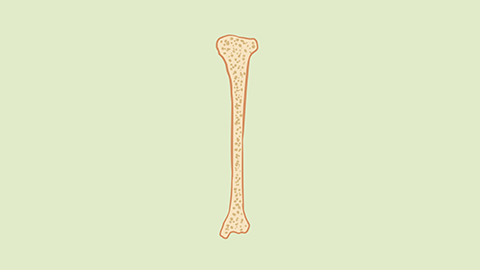
Additionally, topical plasters with blood-activating and stasis-resolving properties may also yield favorable therapeutic outcomes. If conventional conservative treatment proves ineffective, localized injection therapy—such as corticosteroid or anesthetic injections targeting specific tender or inflamed sites—may be considered.
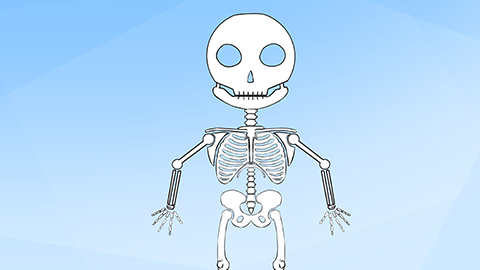
If the aforementioned treatments remain ineffective and abnormal periepiphyseal calcification develops—leading to bony bridge formation—surgical intervention may become necessary. Surgery typically involves excision of the inflamed tissue or bony bridge to restore epiphyseal function and ensure normal growth and development. We hope this information is helpful to you.




