


Who Should Not Receive the COVID-19 Vaccine?
May 17, 2022
Source: Cainiu Health

Dr. Jiang Weimin
Introduction
Individuals who have previously experienced severe allergic reactions—such as angioedema, dyspnea, or acute anaphylaxis—following vaccination should not receive the vaccine. Secondly, vaccination is contraindicated during pregnancy. Additionally, individuals experiencing an acute exacerbation of a chronic disease or whose underlying condition is poorly controlled should also defer vaccination. The primary benefit of receiving the COVID-19 vaccine is its proven efficacy in preventing SARS-CoV-2 infection.
To protect their own and others’ health and enhance their ability to resist the virus, an increasing number of people are choosing to receive the COVID-19 vaccine. However, not everyone is eligible for vaccination. So, who should not receive the COVID-19 vaccine?
Who Should Not Receive the COVID-19 Vaccine
There are age restrictions for receiving the COVID-19 vaccine. Individuals who have previously experienced severe allergic reactions—such as angioedema, dyspnea, or acute allergic reactions—following vaccination should not receive the vaccine. Pregnant women are also advised against vaccination. Additionally, individuals experiencing acute exacerbation of chronic diseases or whose chronic conditions are poorly controlled should not be vaccinated.
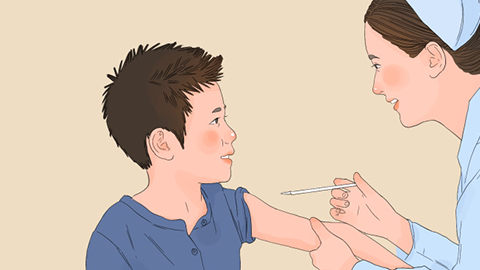
The primary benefit of receiving the COVID-19 vaccine is its effectiveness in preventing SARS-CoV-2 infection. Vaccination is a proven preventive measure that helps establish a protective immune response, accelerates the development of herd immunity, and contributes to curbing the spread of the pandemic as quickly and effectively as possible. It is also important to note that the COVID-19 vaccine should be administered at least 14 days apart from other vaccines; co-administration is not recommended.

After receiving the COVID-19 vaccine, keep the injection site clean and dry; avoid washing or massaging the area to prevent local infection. Also, drink plenty of water, get adequate rest, and maintain a calm, relaxed mindset. We hope this information is helpful to you.








