How long should physical therapy for lumbar disc herniation typically last?
May 17, 2022
Source: Cainiu Health

Dr. Lin Yunfei
Introduction
For lumbar disc herniation, physical therapy is typically administered in 15-day treatment courses, with a total duration of 15–30 days. Physical therapy modalities include microwave therapy, ultrashort-wave therapy, iontophoresis, and far-infrared radiation therapy. These treatments help accelerate the resolution of inflammatory reactions in the intervertebral disc and nerve roots, restore neural blood supply, and alleviate localized pain symptoms.
Lumbar disc herniation is a common and frequently occurring condition among middle-aged and elderly individuals, significantly impairing normal daily life. Early intervention is essential for this condition—treatment may be conservative or surgical.
How long should physical therapy for lumbar disc herniation typically last?
Physical therapy for lumbar disc herniation is generally administered in cycles of 15 days, with a typical treatment duration ranging from 15 to 30 days. Therapeutic modalities include microwave therapy, ultrashort-wave therapy, iontophoresis, and far-infrared therapy. These treatments help accelerate the resolution of inflammatory responses in the intervertebral disc and nerve roots, improve blood supply to the nerves, alleviate localized pain, promote recovery of nerve function, relax lumbar muscles, and relieve muscle spasm and tension. Additionally, they reduce pressure on the lumbar intervertebral discs and enhance blood flow to the annulus fibrosus, thereby facilitating its repair.
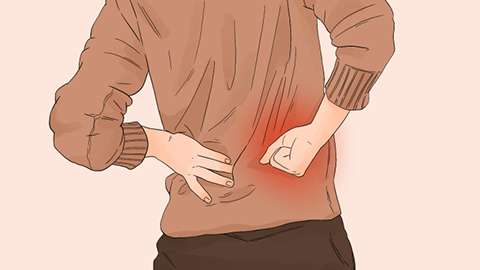
Following physical therapy for lumbar disc herniation, proper post-treatment care is crucial—particularly avoiding prolonged sitting. It is recommended to stand up and move the lower back every 30 minutes while seated to relax the muscles. Patients should minimize extended periods of sitting, especially women, who should avoid wearing high-heeled shoes. High heels alter the body’s center of gravity and increase mechanical load on the lumbar spine. Furthermore, the mattress used for sleeping should not be overly soft; excessive softness can lead to lumbar muscle fatigue and compromise spinal stability.
In daily life, maintaining warmth in the lumbar region is important to prevent cold exposure; appropriate clothing should be worn accordingly. Regular exercises targeting the lumbar and back muscles are also beneficial. Strengthening these muscles enhances lumbar spine stability and helps prevent recurrence of lumbar disc herniation. We hope this information proves helpful. Wishing you good health and a joyful life!