


Which department should I visit for lumbar disc herniation?
Dec 29, 2022
Source: Cainiu Health

Dr. Lin Yunfei
Introduction
Lumbar disc herniation mainly causes lower back pain. When the condition is severe, obvious leg pain may be felt. You can visit the pain clinic at a hospital to learn more about the specific cause of the pain. Lumbar disc herniation occurs when the nucleus pulposus of the intervertebral disc protrudes outward and compresses nearby nerves, which falls within the scope of orthopedic conditions. Treatment is available at the orthopedic department of a hospital.
Many people experience mild lower back pain when lumbar disc herniation first develops, allowing for early detection, although the specific condition may not be immediately clear. Therefore, further examination is needed to determine the exact diagnosis. Many people want to know about lumbar disc herniation—so which department should you visit for this condition?
Which Department Should You Visit for Lumbar Disc Herniation?
For lumbar disc herniation, you can visit the pain clinic, orthopedics, neurosurgery, or spinal surgery department at a hospital.
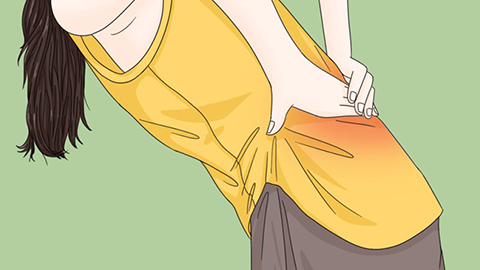
Lumbar disc herniation mainly causes lower back pain. In severe cases, patients may feel significant leg pain. You can visit the hospital's pain clinic to identify the specific cause of the discomfort. Lumbar disc herniation occurs when the nucleus pulposus of the intervertebral disc protrudes outward and compresses nearby nerves, falling within the scope of orthopedic conditions. Thus, treatment can be sought in the orthopedic department. The lower back contains numerous nerve roots; when these are compressed by surrounding tissues, symptoms such as leg numbness may occur. Both types of lumbar disc herniation can be treated in the neurosurgery department. Additionally, the condition may lead to spinal abnormalities with outward protrusion. Therefore, if lumbar disc herniation is accompanied by spinal disorders, treatment can also be obtained in the spinal surgery department.
In addition, patients with lumbar disc herniation should pay attention to their diet by ensuring adequate intake of calcium, magnesium, vitamin D, and vitamin B. They should eat more fresh fruits, moderately consume animal liver, maintain a varied diet, and reduce consumption of cola and similar beverages. We hope this information is helpful to you. Wishing you good health and a happy life!





