


What types of meat can be consumed when uric acid levels are high?
May 19, 2022
Source: Cainiu Health

Dr. Liu Aihua
Introduction
Many people enjoy eating meat; some even feel uneasy or uncomfortable if they skip meat in a meal. Pork, beef, mutton, and dog meat (mammalian meats), as well as chicken, duck, and goose meat (poultry), are classified as moderate-purine foods—consumption is permissible but should be limited. Additionally, certain seafood—including hairtail, pomfret, anchovy, and sardine—are high-purine foods and should be consumed only in very small amounts—or preferably avoided altogether.
The prevalence of hyperuricemia is rising year by year. Patients with elevated uric acid levels need to adjust their lifestyle and dietary habits, particularly avoiding high-purine foods. Many patients are uncertain about which medications they can take—and more specifically, which types of meat are safe to consume when uric acid levels are high.
Which meats are safe for individuals with hyperuricemia?
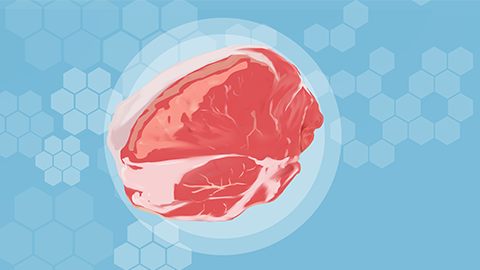
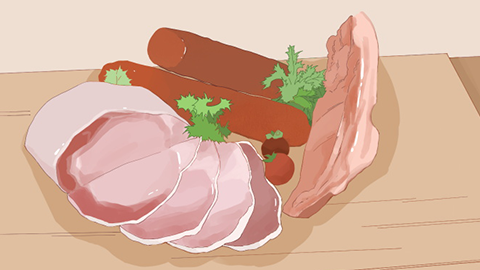
Many people enjoy eating meat—going a day without it may even leave them feeling uneasy. Among meats, pork, beef, mutton, and dog meat (mammalian meats), as well as chicken, duck, and goose (poultry), are classified as moderate-purine foods: they may be consumed, but only in moderation. Regarding seafood and fish, hairtail, pomfret, anchovy, and sardine are high-purine foods and should be eaten only in very small amounts—or avoided altogether. In contrast, grass carp, common carp, turbot, and sea bass are moderate-purine seafood options and may be consumed in appropriate quantities.
Uric acid is primarily excreted via the kidneys. Therefore, renal impairment—especially chronic kidney disease—can significantly reduce uric acid excretion, leading to secondary hyperuricemia. Another major cause is excessive uric acid production, which may result from either (1) excessive breakdown of body tissues—for example, during chemotherapy for leukemia, when large numbers of leukemic cells undergo lysis—or (2) primary (idiopathic) hyperuricemia, wherein abnormal purine metabolism leads to overproduction of uric acid. Purines—found abundantly in certain foods—are metabolized into uric acid within the body. Thus, hyperuricemia typically arises from either overproduction of uric acid or impaired renal excretion.
If you experience symptoms associated with hyperuricemia, seek prompt medical evaluation at a healthcare facility. We hope this article has been helpful to you!






