


What symptoms does fatty liver disease cause?
May 19, 2022
Source: Cainiu Health

Dr. Zhao Haiming
Introduction
Fatty liver disease presents with a variety of symptoms, which vary from person to person. Clinically, the most common symptoms include the following:
1. Discomfort or pain in the hepatic region;
2. Generalized fatigue or weakness;
3. Bitter or sticky taste in the mouth;
4. Loose stools or constipation, and dark yellow urine;
5. Gastrointestinal symptoms such as epigastric pain, abdominal distension, and indigestion.
These are the most frequently observed symptoms associated with fatty liver disease.
With improvements in living standards, an increasing number of people are developing fatty liver disease in daily life—not only harming physical health but also significantly affecting daily life and work performance. Understanding the condition is essential for effective prevention and treatment. So, what symptoms does fatty liver disease cause?
What Symptoms Does Fatty Liver Disease Cause?
Fatty liver disease manifests with a variety of symptoms, which vary among individuals. Clinically, the most common symptoms include the following: First, discomfort or pain in the liver region; Second, generalized fatigue or weakness; Third, bitter or sticky taste in the mouth; Fourth, loose stools or constipation, along with dark yellow urine; Fifth, gastrointestinal symptoms such as epigastric pain, bloating, and indigestion—these being the most frequently observed manifestations. Additionally, patients may experience fatigue, dizziness, nausea, and vomiting. Abnormal liver function can lead to elevated bilirubin levels, resulting in dark yellow urine, abdominal distension, and dizziness. These symptoms are associated with diminished hepatic detoxification capacity and reduced metabolism of food and medications.
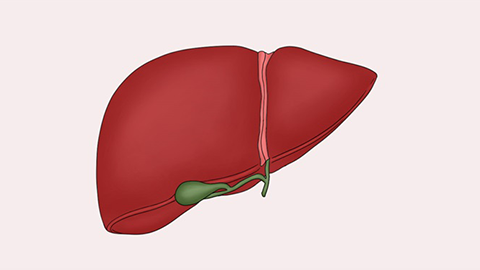
Patients should reduce caloric intake while increasing physical activity and losing weight to effectively control fatty liver disease. Patients relying solely on pharmacotherapy without concurrent dietary modification and exercise generally achieve poor outcomes. Regular follow-up examinations are essential: under the premise of dietary control and appropriate physical activity, patients should undergo routine medical check-ups to monitor disease progression and prevent worsening. Key assessments include liver function tests, blood glucose and lipid profiles, blood pressure measurement, abdominal ultrasound (focusing on the liver and gallbladder), and quantification of hepatic fat content.
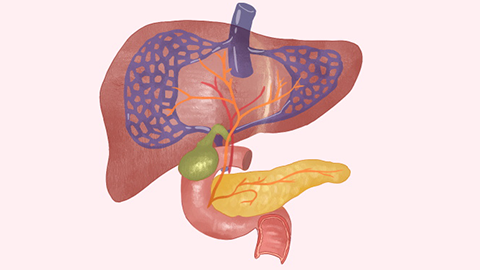
In daily life, avoid spicy and irritating foods, drink plenty of water to promote metabolic turnover, and engage in moderate outdoor physical activity to strengthen immunity. We hope this information proves helpful!






