


Can sudden vision loss be restored?
May 19, 2022
Source: Cainiu Health

Dr. Chen You
Introduction
Vision loss can be categorized into several types, including myopia-induced vision loss, astigmatism-induced vision loss, hyperopia-induced vision loss, and vision loss in adulthood caused by retinal diseases. Therefore, when experiencing vision loss, avoid self-diagnosis; instead, promptly visit a reputable hospital’s ophthalmology department for comprehensive evaluations, including slit-lamp examination, refraction testing, ocular CT, ocular ultrasound, and other relevant diagnostic tests.
In daily life, with the increasing use of electronic devices, more and more adolescents are developing myopia. Additionally, vision may decline due to certain diseases. So, can sudden vision loss be reversed?
Can sudden vision loss be reversed?
Vision loss can be categorized into several types, including that caused by myopia, astigmatism, hyperopia, or, in adults, retinal disease. Therefore, when experiencing vision loss, avoid self-diagnosis and promptly visit a reputable hospital’s ophthalmology department for comprehensive examinations—including slit-lamp examination, refraction testing, ocular CT, and ocular ultrasound. If the vision loss is due to pseudomyopia, recovery is possible: increase outdoor activities, relieve eye fatigue, and allow the eyes to return to normal function regularly. However, if the cause is true myopia, cataracts, or other retinal diseases, full visual recovery is unlikely.
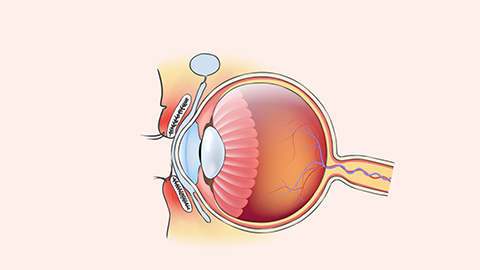
The causes of vision loss are complex and may underlie numerous ocular conditions. Gradual vision loss commonly occurs in myopia, primary open-angle glaucoma, and cataracts, whereas sudden vision loss is frequently associated with uveitis, retinal disorders, or optic nerve diseases. Sudden loss of light perception—or complete loss of light perception—may indicate acute angle-closure glaucoma, retinal artery occlusion, retinal vein occlusion, or optic neuritis. Eye pain accompanying vision loss is often triggered by inflammatory conditions such as uveitis, retrobulbar optic neuritis, or ocular ischemic syndrome.
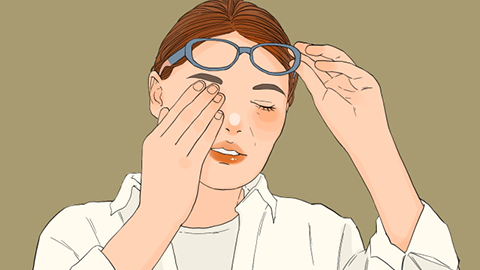
Prioritize eye protection, avoid excessive eye strain, and prevent vision loss resulting from bacterial eye infections. We hope this information proves helpful to you!





