


Can vision lost to glaucoma be restored?
Nov 19, 2025
Source: Cainiu Health

Dr. Wang Lei
Introduction
Whether vision lost to glaucoma can be restored depends on the stage of the disease. If treated promptly during an acute attack, some damaged vision may be recovered. However, in the chronic or advanced stages, vision that has already been impaired is usually irreversible, making early intervention essential to control disease progression. To preserve vision, high-risk individuals—such as those with a family history of glaucoma or elevated intraocular pressure—should undergo regular eye examinations.
Whether vision can be restored in glaucoma depends on the stage of the disease. If treated promptly during an acute attack, some damaged vision may be recovered; however, in the chronic or advanced stages, vision loss is typically irreversible, making early intervention essential to control the progression of the disease.
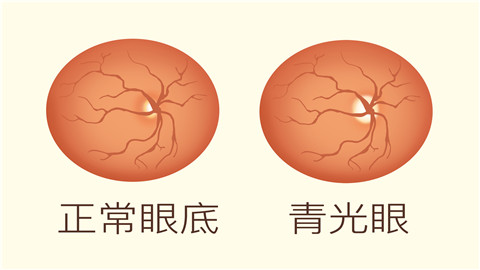
During an acute glaucoma attack, intraocular pressure rises sharply, compressing the optic nerve and causing sudden vision decline and blurred vision. Immediate medical treatment—using medications, laser therapy, or surgery—to rapidly lower eye pressure and relieve optic nerve compression may allow partial recovery of optic nerve function that has not yet completely died off, leading to improved vision. The sooner treatment is initiated, the greater the chance of recovering lost vision.
In chronic glaucoma or in cases where an acute attack was not treated promptly and has progressed to an advanced stage, prolonged and gradually increasing intraocular pressure leads to progressive atrophy and death of the optic nerve. As the optic nerve is non-regenerative, once nerve tissue dies, the corresponding vision loss becomes permanent. Even if eye pressure is controlled later, previously damaged vision cannot be restored. At this stage, treatment focuses on preventing further vision deterioration.
To preserve vision, high-risk individuals—including those with a family history of glaucoma or elevated intraocular pressure—should undergo regular eye examinations. Daily habits should include avoiding prolonged eye strain, maintaining emotional stability, and minimizing fluctuations in eye pressure. After diagnosis, patients must strictly follow medical advice, use prescribed medications regularly, and attend follow-up appointments to best protect their remaining vision.


