


Why Does Rhinitis Cause Nasal Congestion?
May 29, 2022
Source: Cainiu Health

Dr. Guo Xiheng
Introduction
Nasal congestion caused by rhinitis is typically due to swelling of the nasal mucosa, resulting in narrowing of the nasal cavity. It may also stem from hypertrophy and hyperplasia of the inferior turbinate associated with chronic rhinitis, or from structural abnormalities of the nasal cavity—such as a deviated nasal septum. Management of nasal congestion should be tailored to its underlying cause; treatment should not rely solely on medications and may require surgical intervention for correction.
In daily life, many people suffer from rhinitis, which causes considerable inconvenience. So why does rhinitis lead to nasal congestion?
Why Does Rhinitis Cause Nasal Congestion?
Nasal congestion resulting from rhinitis is typically caused by swelling of the nasal mucosa, leading to narrowing of the nasal cavity. It may also stem from hypertrophy and hyperplasia of the inferior turbinate associated with chronic rhinitis, or from structural abnormalities of the nasal cavity—such as a deviated nasal septum. Treatment of nasal congestion should be tailored to its underlying cause. If structural abnormalities are responsible, drug therapy alone is insufficient; surgical intervention may be required for correction. Nasal congestion can be effectively alleviated through procedures that reduce nasal cavity volume.

For nasal congestion caused by acute rhinitis, conventional treatments—including medications and local massage—can be effective. For chronic rhinitis–related congestion, partial resection of the inferior turbinate may be performed. In cases of nasal septal deviation or reduced nasal cavity volume due to trauma, surgical correction of the deviated septum can relieve congestion. If rhinitis persists untreated, inflammatory changes may spread to the paranasal sinuses, triggering acute suppurative sinusitis—potentially worsening symptoms such as nasal obstruction, diminished sense of smell, and headache.
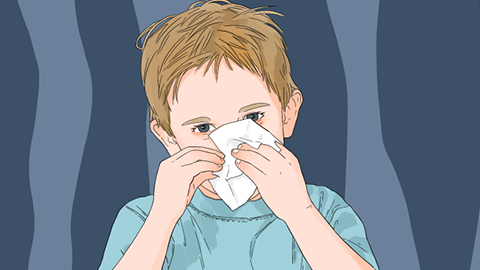
Patients with rhinitis should, in daily life, avoid exposure to allergens whenever possible. Dietarily, they should refrain from spicy or irritating foods and instead opt for light, well-balanced, and nutritionally adequate meals. Regular, moderate physical exercise is also recommended to strengthen overall health and enhance resistance to disease. We hope this information proves helpful!





