


What Is the Difference Between Dermatitis and Eczema?
May 29, 2022
Source: Cainiu Health

Dr. Liu Wan
Introduction
Dermatitis and eczema can both be considered skin disorders, though they may differ in certain details. Eczema is more likely, primarily manifesting as localized allergic or irritant reactions, and tends to recur frequently. Eczema exhibits greater clinical variability compared to dermatitis. In contrast, dermatitis shows less variability; its inflammatory changes are typically confined to the acute, subacute, and resolution phases, with chronic dermatitis being relatively uncommon.
Due to individual differences in constitution and skin type, some people have more sensitive skin, making them prone to developing eczema and dermatitis. So, what are the differences between dermatitis and eczema?
What Are the Differences Between Dermatitis and Eczema?
Both dermatitis and eczema fall under the broad category of skin disorders, but they differ in certain details. Eczema is more likely to result from localized allergic or irritant reactions and tends to recur frequently. It also exhibits greater variability in clinical presentation compared to dermatitis. In contrast, dermatitis typically shows less morphological variation. Chronic dermatitis is relatively uncommon; most cases occur during the acute or subacute phases, with fewer progressing to the chronic stage.

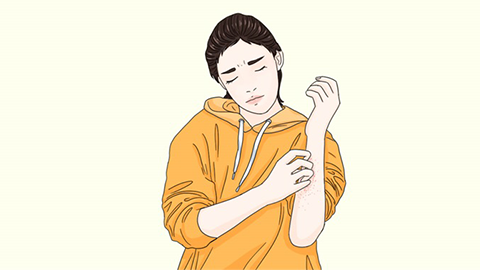
Avoid scratching, as it can trigger inflammatory responses in the skin, leading to lichenification (thickening) and even secondary infection. Scratching may also reinforce the itch-scratch cycle—intensifying the sensation of itchiness and thereby perpetuating a vicious cycle that prolongs the disease course. Avoid using soap, especially alkaline soaps, which exert chemical irritation on the skin and may exacerbate both dermatitis and eczema. If cleansing is necessary, opt for low-irritancy borax soap instead.
Pay attention to clothing choices. When experiencing dermatitis or eczema, special care should be taken regarding fabric selection. Choose soft, breathable, cotton-based garments and wear loose-fitting clothes to minimize skin friction—this helps prevent flare-ups and supports skin repair while reducing further damage. We hope this information proves helpful!



