


Can lymph node tuberculosis be cured?
May 29, 2022
Source: Cainiu Health

Dr. Guo Xiheng
Introduction
Lymph node tuberculosis can be partially cured. Lymph node tuberculosis refers to infection of lymph nodes by Mycobacterium tuberculosis, leading to bacterial proliferation within the nodes and resulting in inflammation, enlargement, and destruction of the affected lymph nodes; in some cases, the nodes may rupture and discharge pus externally. Initial treatment should prioritize anti-tuberculosis drug therapy, with commonly used agents including isoniazid and rifampin.
Tuberculous lymphadenitis is a form of tuberculosis—a disease caused by infection with *Mycobacterium tuberculosis*—that specifically affects the lymph nodes. It is clinically very common. Typically, this condition progresses chronically; affected lymph nodes often exhibit a “string-of-beads” appearance and frequently adhere to surrounding tissues, potentially leading to ulceration and fistula formation. So, can tuberculous lymphadenitis be cured?
Can Tuberculous Lymphadenitis Be Cured?
Partial or complete cure is possible in many cases of tuberculous lymphadenitis. This condition arises when *M. tuberculosis* invades the lymph nodes, multiplies within them, and triggers inflammation, swelling, and structural destruction. In some instances, abscesses may form and rupture externally, discharging pus. Initial treatment relies primarily on antitubercular drug therapy; commonly used agents include isoniazid and rifampicin. For patients with prominent lesions that are refractory to medical management, surgical intervention—such as excision of affected tissue—may be required. Therefore, for patients with normal immune function who receive standardized medical care and diligently attend scheduled follow-up visits and periodic examinations, tuberculous lymphadenitis is generally manageable and has a favorable prognosis.

In contrast, patients with compromised immunity or those who fail to adhere to prescribed treatment regimens—or whose treatment is irregular—may face greater therapeutic challenges. Complete cure may not be achievable in such cases, and the infection may disseminate to other organs, resulting in complications such as pulmonary tuberculosis or tuberculous meningitis.
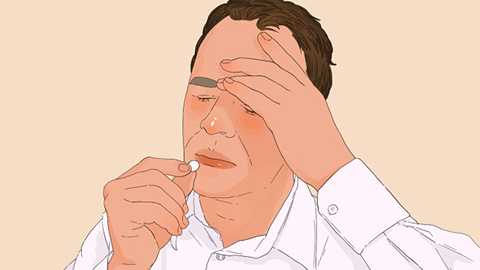
Vaccination (e.g., with the BCG vaccine) can help prevent tuberculous lymphadenitis. As transmission typically occurs via the respiratory route, individuals with tuberculous lymphadenitis should avoid spitting in public places. Moreover, they should minimize attendance at crowded public venues during active illness. We hope this information proves helpful to you!





