


Can lymphoma be cured?
Dec 12, 2025
Source: Cainiu Health

Dr. Li Feng
Introduction
In general, whether lymphoma can be cured depends on the specific condition and is mainly determined by the pathological type, disease stage, molecular classification, and individual patient factors. During treatment, it is important to ensure adequate nutritional intake, with a preference for high-protein, easily digestible foods such as eggs, fish, and fresh fruits and vegetables. Maintain regular作息 (daily routines), avoid excessive fatigue, and engage in appropriate walking according to physical tolerance to improve overall physical condition.
In general, whether lymphoma can be cured depends on the specific condition and is mainly determined by pathological type, stage, molecular classification, and individual patient factors. The detailed analysis is as follows:
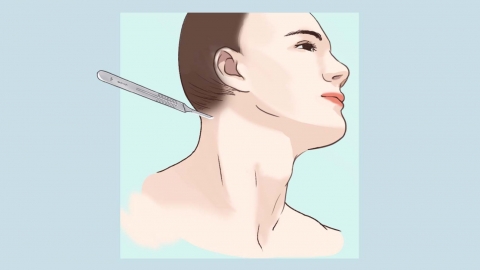
Most subtypes of Hodgkin lymphoma follow a predictable progression pattern. With early standardized chemotherapy or combined targeted therapy, the five-year survival rate can exceed 90%. For non-Hodgkin lymphoma, patients with early-stage diffuse large B-cell lymphoma who lack adverse molecular mutations may achieve long-term remission or even cure through regimens such as immunochemotherapy. Younger patients with good baseline health generally have better prognoses.
Highly aggressive lymphomas progress rapidly, and some subtypes respond poorly to current treatments and are prone to early relapse. In advanced-stage lymphoma with widespread involvement of critical organs such as bone marrow or the central nervous system, or in elderly patients with multiple comorbidities, treatment efficacy significantly decreases, and the main goal often shifts to disease control and prolonging survival.
During treatment, adequate nutritional intake should be ensured, with a preference for high-protein, easily digestible foods such as eggs, fish, and fresh fruits and vegetables. Maintain regular作息 (daily routine), avoid excessive fatigue, and engage in light physical activities like walking according to physical tolerance to strengthen the body. Keep skin clean and dry, wear soft, breathable clothing to minimize friction and irritation. Regularly monitor body temperature and weight changes, and promptly communicate any abnormalities to healthcare providers.






