What are the symptoms of sleep disorders?
May 30, 2022
Source: Cainiu Health

Dr. Li Man
Introduction
Sleep disorders are extremely common clinical conditions. Their clinical manifestations include abnormalities in sleep quantity—such as sleeping less than five hours—as well as difficulties initiating sleep, light or fragmented sleep, early morning awakening, and frequent awakenings. Additionally, paroxysmal abnormalities during sleep may occur, including sleepwalking, sleep-talking, sudden nocturnal arousals, tachypnea (rapid breathing), tachycardia (increased heart rate), and hallucinations. Bruxism (teeth grinding) and involuntary muscle jerks in the limbs are also commonly observed.
In daily life, increasing work intensity gradually elevates our overall stress levels, significantly impairing sleep quality and leading to sleep disorders. What symptoms characterize sleep disorders?
Symptoms of Sleep Disorders
Sleep disorders are extremely common in clinical practice. Their hallmark symptoms include abnormal sleep duration—typically less than five hours per night—as well as difficulty falling asleep, light or fragmented sleep, early morning awakening, and frequent nocturnal awakenings. Sleep-related paroxysmal abnormalities may also occur, such as sleepwalking, sleep-talking, sudden nighttime arousals, tachypnea (rapid breathing), tachycardia (increased heart rate), and hallucinations. Bruxism (teeth grinding) and involuntary muscle jerks in the limbs are additional possible manifestations.
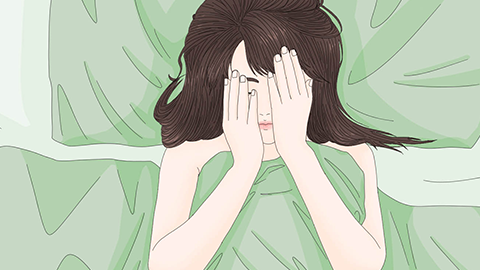
Modifying lifestyle habits is one of the simplest and most effective ways to improve sleep quality. This includes adjusting bedtime and sleep environment, optimizing diet, and maintaining a positive mental outlook. Consistently adhering to fixed wake-up and bedtime schedules seven days a week—and avoiding daytime napping—are also critically important. Pharmacotherapy may be used in certain cases to provide short-term rest for the body; however, lifestyle modifications offer longer-term improvement in sleep quality. Medication should be used only occasionally and is not the first-line treatment for chronic insomnia.

When preparing for sleep at night, avoid overthinking or mental agitation. Instead, consciously relax both your mind and body, allowing your nervous system to settle into its most relaxed state—this will optimize your sleep quality. We hope this information proves helpful to you!