


What Is the Difference Between Hepatitis and Liver Cancer?
May 31, 2022
Source: Cainiu Health

Dr. Jin Zhongkui
Introduction
Hepatitis is an inflammatory liver disease characterized by decreased appetite, nausea and vomiting, jaundice, fatigue, and weakness; fever and elevated alpha-fetoprotein (AFP) levels may also occur. In contrast, hepatocellular carcinoma (HCC) is a malignant tumor of the liver that typically presents no obvious symptoms in its early stages. During the intermediate to advanced stages, patients may develop right upper quadrant pain, hepatomegaly, abdominal distension and diarrhea, and elevated AFP levels, along with characteristic hepatic lesions typical of HCC.
The liver is a vital organ in the human body, playing an essential role in maintaining overall health. Liver health often reflects the body’s general well-being. Consequently, most people take steps to protect their liver in daily life. However, certain liver-related health conditions—such as hepatitis and liver cancer—are sometimes unavoidable. Both affect the liver, but how do they differ?
What Are the Differences Between Hepatitis and Liver Cancer?
Hepatitis is an inflammatory disease of the liver, characterized by symptoms including decreased appetite, nausea and vomiting, jaundice, fatigue, and weakness; fever and elevated alpha-fetoprotein (AFP) levels may also occur. In contrast, liver cancer is a malignant tumor of the liver that typically produces no obvious symptoms in its early stages. As the disease progresses to intermediate or advanced stages, patients may experience right upper quadrant abdominal pain, hepatomegaly (enlarged liver), abdominal distension, diarrhea, elevated AFP levels, and characteristic imaging or histopathological findings of hepatocellular carcinoma.
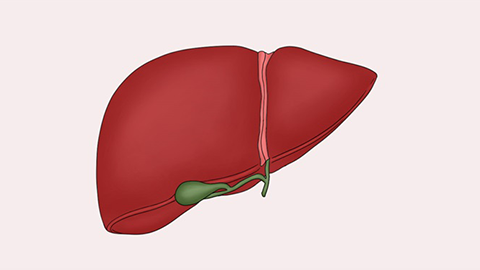
Although hepatitis and liver cancer differ in many respects, they are also closely linked. If hepatitis remains untreated or inadequately managed, activated hepatic stellate cells (or fibroblasts) produce excessive collagen fibers. Over time, this leads to diffuse fibrosis and formation of fibrous septa, progressively replacing healthy liver tissue and resulting in cirrhosis. With continued disease progression, cirrhosis significantly increases the risk of developing liver cancer. Therefore, prompt and effective treatment upon diagnosis of hepatitis is critical to controlling disease progression.
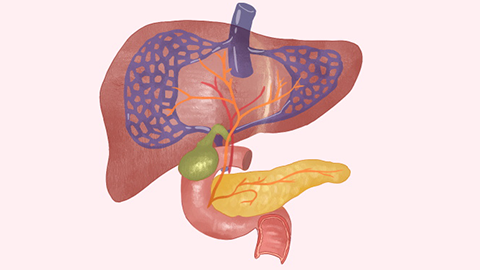
Whether affected by hepatitis or liver cancer, patients should adopt a light, balanced diet, avoid spicy and irritating foods, abstain from smoking and alcohol consumption, and engage in appropriate physical exercise to strengthen immune function and resilience against disease. We hope this information has been helpful to you! Wishing you good health and a joyful life!





