


What does it mean to test positive for hepatitis B surface antigen (HBsAg), hepatitis B e antibody (HBeAb), and hepatitis B core antibody (HBcAb)?
May 31, 2022
Source: Cainiu Health

Dr. Jin Zhongkui
Introduction
A positive result for HBsAg, anti-HBe, and anti-HBc—commonly referred to as “small three positives”—indicates chronic hepatitis B infection. Further evaluation is required, including liver function tests, hepatitis B virus (HBV) DNA quantification, and upper abdominal color Doppler ultrasound, to fully assess the disease status. If both liver function tests and abdominal ultrasound are normal, the individual is likely an asymptomatic HBV carrier and typically does not require antiviral treatment. However, if abnormalities are detected, management should be tailored according to the specific clinical findings.
Hepatitis B is a very common infectious disease that poses serious threats to human health and significantly impacts many people’s daily lives and work. So, what does “HBV 1-4-5 positive” mean?
What Does “HBV 1-4-5 Positive” Mean?
“HBV 1-4-5 positive” refers to positivity for hepatitis B surface antigen (HBsAg), hepatitis B e antibody (anti-HBe), and hepatitis B core antibody (anti-HBc)—a pattern commonly termed the “minor positive” or “small three positive” profile. Further evaluation—including liver function tests, hepatitis B virus DNA quantification, and upper abdominal color Doppler ultrasound—is required to determine the clinical status. If both liver function tests and abdominal ultrasound results are normal, the individual is likely an asymptomatic hepatitis B carrier and generally does not require treatment. However, if abnormalities are detected in either liver function or ultrasound findings, a diagnosis of chronic hepatitis B should be considered, and management—such as hepatoprotective therapy or antiviral treatment—should be initiated based on disease severity.
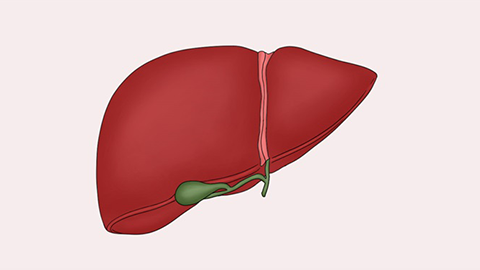
If hepatitis B remains inactive and the individual is merely a carrier, no symptoms will typically occur. However, during active hepatitis B flares, patients may experience fatigue, aversion to oily foods, loss of appetite, nausea, vomiting, and discomfort or pain in the right upper quadrant (liver area). In cases of fulminant hepatitis, jaundice develops—manifesting as yellowing of the skin and sclera—and urine becomes dark yellow.
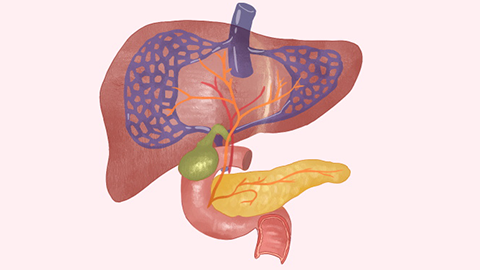
After being diagnosed with hepatitis B, patients should avoid excessive physical exertion, alcohol consumption, and staying up late. They should also minimize use of medications known to be hepatotoxic or to increase hepatic metabolic burden. Diet should be light, easily digestible, and nutritionally balanced; fresh vegetables and fruits are highly recommended. Spicy and raw/cold foods should be avoided whenever possible. Strict adherence to prescribed treatment regimens is essential. Liver function must be monitored dynamically, and abdominal color Doppler ultrasound should be performed regularly. Additionally, patients must take precautions to protect family members and close contacts from HBV transmission. We hope this information proves helpful. Wishing you good health and a happy life.



