


What does it mean to test positive for HBV markers 2, 3, and 5?
May 23, 2022
Source: Cainiu Health

Dr. Jin Zhongkui
Introduction
A positive result for HBV markers 2, 3, and 5 typically indicates positivity for the hepatitis B surface antibody (anti-HBs). Specifically, “HBV 2-3-5 positive” generally refers to concurrent positivity for:
- HBV e antigen (HBeAg) — marker #2,
- HBV core antibody (anti-HBc) — marker #3, and
- HBV surface antibody (anti-HBs) — marker #5.
This pattern may suggest infection with a mutant strain of hepatitis B virus (HBV), in which the hepatitis B surface antigen (HBsAg) is negative despite active viral presence. Such a serological profile indicates that HBV infection is present in the body.
In daily life, some patients frequently visit hospitals for medical examinations, and among them, some are found to test positive for hepatitis B surface antibody (HBsAb), e-antibody (HBeAb), and core antibody (HBcAb)—commonly referred to as “Pattern 2-3-5 positivity.” What does “hepatitis B 2-3-5 positivity” mean?
What Does “Hepatitis B 2-3-5 Positivity” Mean?
“Hepatitis B 2-3-5 positivity” generally refers to a positive result for the hepatitis B virus surface antibody (HBsAb).
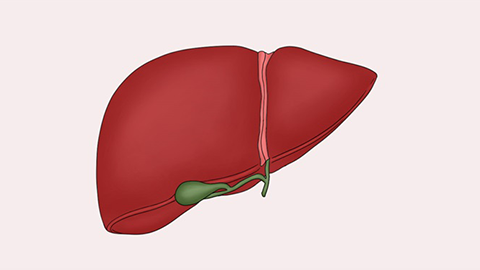
Typically, “hepatitis B 2-3-5 positivity” indicates that the hepatitis B surface antibody (HBsAb) is positive. In addition, the hepatitis B e-antibody (HBeAb) and core antibody (HBcAb) are also positive. This pattern may suggest infection with a mutated strain of hepatitis B virus (HBV), resulting in a negative hepatitis B surface antigen (HBsAg). Such findings indicate that HBV is present in the body, though further testing—specifically for HBV DNA—is required to confirm active infection. If HBV DNA testing yields a positive result, it confirms an active hepatitis B infection with ongoing viral replication. Conversely, if HBV DNA is undetectable (i.e., negative), it suggests prior exposure to the virus without current active infection. With adequate immune function, the body may have successfully cleared the virus, thereby preventing chronic hepatitis B infection.
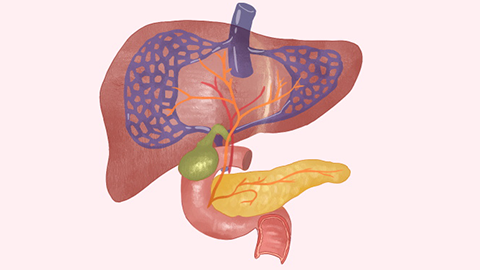
Patients are advised to follow a light yet nutritionally balanced diet, emphasizing fresh vegetables and fruits. If liver function tests show marked abnormalities, intake of protein and fat should be moderated. Strict attention to food hygiene is essential. Easily digestible foods—such as congee and noodles—are recommended, along with appropriate servings of fresh vegetables and fruits. We hope this article has been helpful. Wishing you good health and a joyful life!



