What Causes Lower Left Abdominal Pain in Women?
Jun 01, 2022
Source: Cainiu Health

Dr. Chen Zhe
Introduction
Lower left abdominal pain in women may arise from various causes:
1. Colonic disorders—both functional and organic—including infectious colitis and nonspecific colitis—can cause lower left abdominal pain, often accompanied by abnormal bowel movements, such as diarrhea-predominant or constipation-predominant abdominal pain; symptoms typically improve after defecation.
2. In addition to colonic pathology, abnormalities of the urinary system must also be considered.
In daily life, the body occasionally becomes unwell, and various symptoms may arise unexpectedly—yet often resolve quickly. Examples include abdominal pain, cervical spine discomfort, and others. Some individuals may also experience pain in the lower left abdomen. So, what are the possible causes of lower left abdominal pain in women?
Causes of Lower Left Abdominal Pain in Women
Lower left abdominal pain in women may stem from several distinct causes: 1. Colonic disorders: Both functional and organic colonic conditions—including infectious colitis and nonspecific colitis—can cause lower left abdominal pain. Such pain is frequently accompanied by abnormal bowel habits, such as diarrhea-predominant or constipation-predominant irritable bowel syndrome, with relief often occurring after defecation.

2. Urinary tract abnormalities: Besides colonic pathology, urinary system disorders—including cystitis and urethritis—must be considered. Patients may experience a dull, persistent ache in the lower left abdomen, often accompanied by urinary frequency and urgency. 3. Pelvic inflammatory disease (PID) or adnexitis: These gynecological infections may also manifest as lower left abdominal pain. 4. Endometriosis: Some women may suffer from endometriosis, where lower left abdominal pain typically correlates with the menstrual cycle.
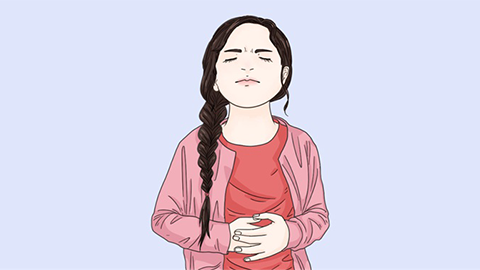
For women, it is essential to consider gynecological conditions—including ovarian or adnexal inflammation and gynecologic malignancies—as well as urological disorders—such as ureteral calculi or urologic malignancies. A comprehensive color Doppler ultrasound examination of the urinary system is recommended. We hope this information proves helpful to you.