


What Causes Fatigue and Excessive Sleepiness?
Jun 01, 2022
Source: Cainiu Health

Dr. Li Man
Introduction
Fatigue is not normal sleep. Under normal circumstances, one wakes up and begins work at sunrise and rests at sunset, sleeping for approximately eight hours. After such sleep, one feels refreshed and energized, capable of working and studying effectively, with normal appetite and daily routines. In contrast, excessive sleep—more than eight hours—or daytime drowsiness (e.g., dozing off during periods when one should be alert) and oversleeping are collectively termed “fatigue.” It represents a disorder of consciousness.
Many people nowadays experience excessive daytime sleepiness and fatigue, which adversely affects their daily life and work—prompting concerns about underlying disease. So, what causes fatigue and hypersomnia?
What Causes Fatigue and Hypersomnia?
Hypersomnia may be accompanied by symptoms such as fatigue, weakness in the limbs, and general lethargy—indicating a pathological condition. Overuse of the brain, physical exhaustion, excessive psychological stress, or poor sleep quality can all lead to drowsiness and fatigue. Mood disorders—including depression—may manifest as disturbed sleep (e.g., prolonged but non-restorative sleep), persistent fatigue, low energy, diminished motivation, depressed mood, unintentional weight loss, and impaired functioning in daily life and work. Systemic diseases—including cerebrovascular disorders and other neurological conditions, cardiac disease, anemia, and hepatic or renal dysfunction—can also cause hypersomnia and fatigue. Narcolepsy is another potential cause: although patients sleep for extended periods, their sleep quality remains poor and unrefreshing; furthermore, they may experience irresistible, sudden episodes of sleep at inappropriate times—even during active daytime hours. Narcolepsy is a serious neurological disorder.
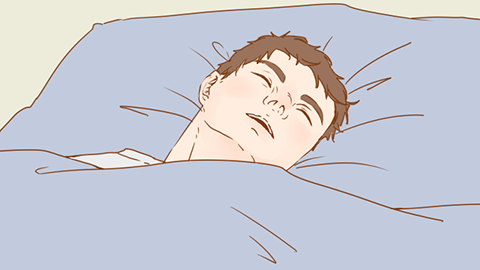
Excessive sleepiness (somnolence) is not normal sleep. Under physiological conditions, individuals are alert and active during daylight hours and sleep approximately eight hours at night. After adequate rest, one should feel refreshed and energized, capable of performing work and study tasks efficiently, with normal appetite and routine daily activities. In contrast, sleeping more than eight hours per day—or experiencing involuntary drowsiness and napping during daytime hours when one should be alert—is termed “somnolence” and represents a form of altered consciousness.
In daily life, avoid spicy and irritating foods; drink plenty of water to support metabolic function. Engage in moderate outdoor physical activity to enhance immune function. We hope this information has been helpful!






