How is hemophilia diagnosed?
Jun 01, 2022
Source: Cainiu Health

Dr. Jiang Weimin
Introduction
The basic laboratory tests for hemophilia screening include a complete blood count (CBC), platelet count, bleeding time, prothrombin time (PT), and platelet aggregation assay to assess whether these parameters are within normal limits. Coagulation function testing typically reveals a prolonged activated partial thromboplastin time (aPTT); however, aPTT alone cannot differentiate between hemophilia types. Additionally, von Willebrand disease must be ruled out.
Hemophilia is a challenging condition to treat, and numerous diagnostic tests are available for its evaluation. So, how is hemophilia diagnosed?
How Is Hemophilia Diagnosed?
Initial screening for hemophilia typically involves several basic laboratory tests, including a complete blood count (CBC), platelet count, bleeding time assessment, prothrombin time (PT), and platelet aggregation function testing—to evaluate whether these parameters fall within normal ranges. Coagulation function testing usually reveals a prolonged activated partial thromboplastin time (aPTT); however, aPTT alone cannot differentiate between hemophilia A and hemophilia B. Definitive clinical diagnosis relies primarily on assays measuring the activity levels of coagulation factor VIII and factor IX. These assays not only confirm whether the patient has hemophilia A or hemophilia B but also enable clinical classification of disease severity based on residual factor activity. Additionally, differential diagnosis to rule out von Willebrand disease is essential.
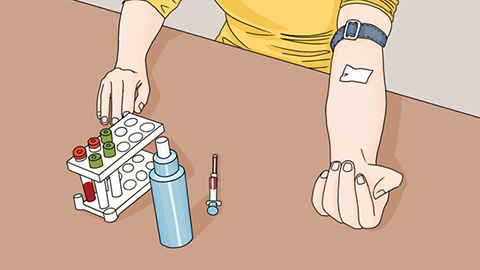
Genetic testing is performed primarily for carrier detection and prenatal diagnosis. The most commonly used genetic methods include Southern blotting and restriction fragment length polymorphism (RFLP) analysis. For prenatal diagnosis, chorionic villus sampling (CVS) is generally performed around gestational week 10 to determine fetal sex and detect the presence of pathogenic mutations in fetal DNA. Amniocentesis is typically conducted around gestational week 16 for further genetic analysis.

Hemophilia is an inherited genetic disorder characterized by impaired blood coagulation, leading to a bleeding diathesis. Patients typically exhibit prolonged clotting times and failure to achieve hemostasis after injury, with a persistent tendency toward bleeding. Spontaneous bleeding may even occur in the absence of obvious trauma—indicating severe disease. We hope this article has been helpful. Wishing you a happy life and good health!