Is hemophilia leukemia?
Jun 08, 2022
Source: Cainiu Health

Dr. Li Man
Introduction
Leukemia and hemophilia are entirely distinct conditions, though both are serious diseases and are occasionally mistaken for one another. In hemophilia patients, bleeding typically manifests as skin bruising, and hematomas in deep muscles and joints are common. In contrast, leukemia commonly presents with mucocutaneous bleeding, including epistaxis (nosebleeds), gingival bleeding, and internal organ hemorrhage—these manifestations are also typical of the disease.
Hemophilia is a bleeding disorder typically caused by inherited deficiencies in clotting factor activity, leading to a spectrum of bleeding symptoms. Leukemia, by contrast, results from malignant transformation of hematopoietic stem cells, thereby impairing normal blood cell production. So—is hemophilia a type of leukemia?
Is Hemophilia a Type of Leukemia?
Leukemia and hemophilia are entirely distinct conditions—though both are serious diseases, they are sometimes mistakenly perceived as related. In hemophilia, bleeding commonly manifests as subcutaneous bruising and frequent hematomas in deep muscles and joints. In leukemia, bleeding tends to occur in the skin and mucous membranes, and epistaxis (nosebleeds), gingival bleeding, and internal organ hemorrhage are also common manifestations.
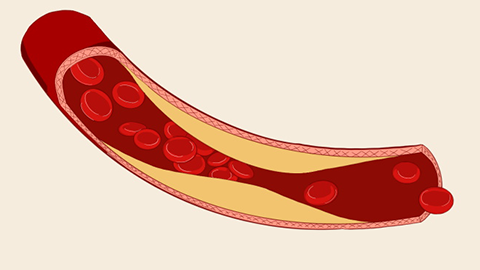
Leukemia is a neoplastic (cancerous) disease. Acute leukemia requires aggressive treatment—including chemotherapy and allogeneic hematopoietic stem cell transplantation—often involving severe treatment-related complications. Hemophilia, however, is an inherited disorder that typically presents in childhood. It is classified into two main types: hemophilia A (factor VIII deficiency) and hemophilia B (factor IX deficiency). Unlike leukemia, hemophilia is not a neoplastic disease and persists chronically throughout life.
Patients with either hemophilia or leukemia should avoid trauma, vigorous physical activity, surgery, acupuncture, physical therapy, and massage—all of which may trigger bleeding or hematoma formation. We hope this explanation has been helpful.