What are the transmission routes of sexually transmitted infections (STIs)?
Jun 01, 2022
Source: Cainiu Health

Dr. Jiang Weimin
Introduction
Transmission through sexual contact: This is the primary mode of transmission; over 90% of sexually transmitted infections (STIs) are spread via unprotected or unsafe sexual intercourse. During intercourse, blood vessels become markedly dilated and engorged with blood, increasing susceptibility to friction and minor trauma—creating ideal conditions for pathogens to enter the body.
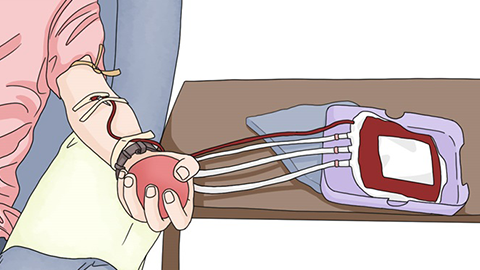
Bloodborne transmission: Asymptomatic individuals in the incubation period may donate blood unknowingly, potentially transmitting STIs through blood transfusions.
In today’s society, a significant portion of the population develops sexually transmitted infections (STIs) due to unhealthy lifestyle habits. So, what are the transmission routes of STIs?
What Are the Transmission Routes of STIs?
Sexual contact transmission: This is the primary route of transmission—over 90% of STIs are spread through unprotected or unsafe sexual activity. During intercourse, blood vessels become markedly dilated and engorged with blood, making the mucosal surfaces more susceptible to friction and microtrauma; pathogens can thus easily enter the body. Bloodborne transmission: If an asymptomatic individual in the incubation period donates blood, recipients of that blood may contract an STI.
Indirect transmission via contaminated objects: Contact with items used by infected individuals—such as toilet seats, bidets, towels, clothing, or bedding—may lead to STI transmission via residual secretions. Therefore, all personal items used by patients should be promptly disinfected to prevent indirect transmission.
Transplacental and perinatal transmission: If a pregnant woman has an STI, the infection may be transmitted to the fetus across the placenta during pregnancy. Additionally, newborns may acquire the infection while passing through an infected birth canal during delivery. Thus, it is strongly recommended that individuals undergo complete treatment for STIs prior to conception to avoid giving birth to an unhealthy baby. In daily life, proper hygiene of the genital area is essential—keep the area clean and dry. Sexual activity should be avoided for a short period to prevent worsening of the condition. We hope this information is helpful to you!