


How long does it take to detect pregnancy?
Jun 01, 2022
Source: Cainiu Health

Dr. Chen Zhe
Introduction
Typically, there are numerous methods available to test for pregnancy after conception. The timing at which pregnancy can be detected varies depending on the specific testing method used.
- With a home pregnancy test (urine dipstick), pregnancy can generally be detected around 35–40 days after conception.
- A urine test performed at a hospital can usually detect pregnancy around 30 days after conception.
- A blood test (serum β-hCG assay) can detect pregnancy as early as approximately 28 days after conception.
In daily life, some individuals planning to conceive may be unfamiliar with the optimal timing for using pregnancy test strips or undergoing ultrasound examinations. So, how soon after conception can pregnancy be detected?
How Soon Can Pregnancy Be Detected?
Generally, several methods are available to confirm pregnancy after conception, and the earliest detectable time varies depending on the testing method used. With a home pregnancy test strip (urine test), pregnancy can typically be detected around 35–40 days after the last menstrual period (LMP). A urine test performed at a hospital may yield reliable results as early as approximately 30 days after LMP, while a blood test for human chorionic gonadotropin (hCG) can detect pregnancy as early as about 28 days after LMP. During early pregnancy, it is important to avoid excessive physical exertion and prioritize rest in bed.
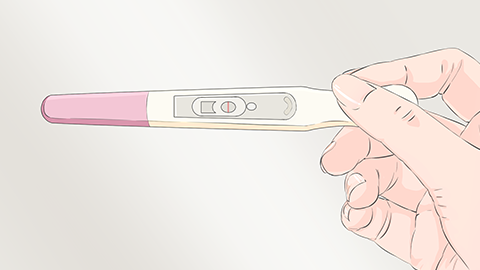
It is recommended to perform an initial screening using an early-pregnancy test strip to determine whether the result is negative or positive. A negative result indicates no pregnancy, whereas a positive result—typically indicated by two distinct lines—confirms pregnancy. Test strips can generally be used starting approximately 14 days after sexual intercourse. For more accurate early confirmation, a serum hCG blood test is advised no earlier than one week after intercourse. However, some individuals have reportedly tested as early as four days post-intercourse using urine-based test strips.

During pregnancy, proper self-care is essential. Avoid spicy and irritating foods; instead, consume high-quality, protein-rich foods to support healthy fetal growth and development. Maintain good lifestyle habits and ensure adequate sleep. We hope this information proves helpful to you.



