


What Causes Diarrhea and Fever?
Jun 01, 2022
Source: Cainiu Health

Dr. Zhao Haiming
Introduction
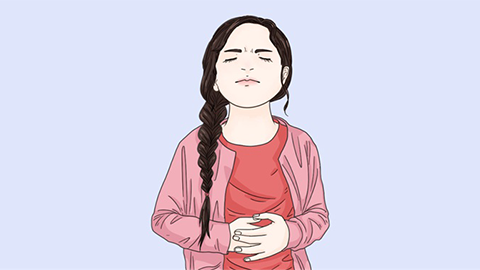
Causes of diarrhea and fever include bacterial infections. Bacterial dysentery has an abrupt onset, commonly presenting with chills, fever, abdominal pain, and diarrhea; patients often feel a sense of heaviness or discomfort after defecation and may experience nausea and vomiting. Persistent fever and diarrhea may also result from viral infections, most frequently due to rotavirus or adenovirus infection of the gastrointestinal tract. Clinical symptoms are typically mild and may include abdominal pain and diarrhea.
Diarrhea is a common health condition in daily life, as is fever. However, diarrhea accompanied by fever may not be as straightforward as commonly assumed. So, what causes diarrhea with fever?
What Causes Diarrhea with Fever?
Bacterial infection is one cause of diarrhea with fever. Bacterial dysentery typically has an abrupt onset, often presenting with chills, fever, abdominal pain, and diarrhea. Patients frequently experience a sensation of heaviness or discomfort after defecation and may also suffer from nausea and vomiting. Viral infections are another cause of persistent fever and diarrhea. Rotavirus and adenovirus infections of the gastrointestinal tract are common examples; clinical symptoms are generally mild—such as abdominal pain and diarrhea—and diarrhea may occur several times per day, predominantly producing loose or watery stools.

Fasting during the acute phase. During acute watery diarrhea, temporary fasting is recommended to allow the intestines complete rest. Intravenous fluid replacement may be necessary to prevent dehydration caused by excessive fluid loss. Light liquid diet. For patients who do not require fasting, a light, liquid-based diet should be provided during the early stage of illness. Dietary adjustments according to disease progression. Once bowel movements decrease and symptoms improve, transition to a low-fat liquid diet, or later to a low-fat, low-residue, soft, easily digestible semi-liquid diet.
Dietary selection. Once diarrhea has largely subsided, a semi-liquid diet or low-fat, low-residue soft foods may be introduced. Vegetables and fruits high in dietary fiber should still be moderately restricted at this stage, gradually progressing toward a regular diet over time. We hope this information proves helpful to you.




