


Early Symptoms of Leukemia in 2-Year-Old Toddlers
Jun 02, 2022
Source: Cainiu Health

Dr. Li Man
Introduction
Initial symptoms of leukemia in a 2-year-old infant include:
- Anemia, which may initially manifest as generalized fatigue, loss of appetite, dizziness, and pallor.
- Fever (often high-grade) and infections such as pneumonia or pharyngitis.
- Bleeding tendencies, primarily presenting as skin ecchymoses and gingival bleeding.
- Lymphadenopathy—commonly involving cervical, inguinal, and axillary lymph nodes.
- Arthralgia and sternal tenderness.
Leukemia is a highly dangerous condition, and it most commonly affects very young children—even infants as young as two years old may develop the disease. What, then, are the early symptoms of leukemia in a two-year-old child?
Early Symptoms of Leukemia in Two-Year-Olds
Initial signs of leukemia in two-year-old infants may include anemia, with early manifestations such as generalized fatigue, loss of appetite, dizziness, and pallor. Persistent high fever—often accompanied by infections such as pneumonia or pharyngitis—is common. Bleeding tendencies typically present as skin petechiae or ecchymoses and gingival bleeding. Enlarged lymph nodes may occur, particularly in the neck, inguinal region, and axillae. Some children experience joint pain and tenderness over the sternum. Chemotherapy remains the primary treatment modality for childhood leukemia.
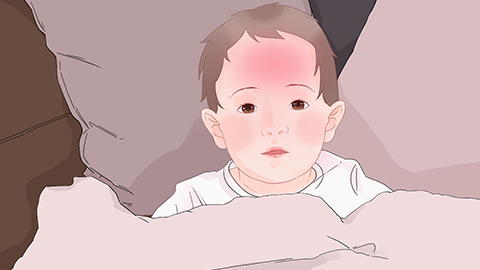
Initial symptoms of leukemia in two-year-olds may include fever and bleeding. For instance, if an infant has leukemia, abnormal white blood cells and granules accumulate, leading to persistent fever—body temperature may reach approximately 38°C or even 39°C. Additionally, recurrent epistaxis (nosebleeds) and oral bleeding may occur.
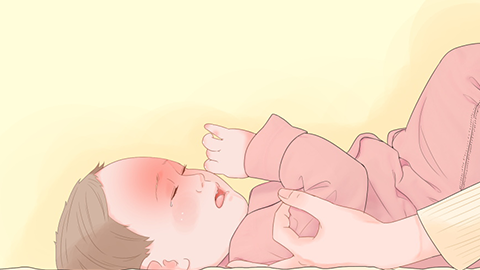
If an infant experiences prolonged unexplained fever or spontaneous bleeding, prompt medical evaluation—including complete blood count (CBC) and routine physical examination—is essential to rule out malignancy. Once leukemia is confirmed, immediate treatment under physician supervision is required; hematopoietic stem cell transplantation (e.g., bone marrow transplantation) may be considered when appropriate. We hope this article has been helpful. Wishing you a joyful life and good health!



