


What should I do if my baby develops diarrhea due to abdominal chilling?
Jun 02, 2022
Source: Cainiu Health

Dr. Xie Zixing
Introduction
When a child has a cold accompanied by diarrhea, keep the abdomen warm first. Abdominal chilling not only impairs blood circulation in the abdominal wall but also triggers intestinal spasms and contractions, leading to diarrhea. Upon exposure to cold, promptly apply abdominal warmth—such as using a hot water bottle for abdominal heat application—to relieve intestinal spasms, promote blood circulation, and alleviate diarrhea. During diarrhea, infants may benefit from supplementation with probiotics such as *Bifidobacterium* and *Lactobacillus acidophilus*.
In daily life, infants are very young, with immature physiological functions and low immunity—making them especially prone to illness, particularly diarrhea—which poses a threat to their health. So, what should parents do if their baby develops diarrhea due to abdominal chilling?
What to Do When an Infant Develops Diarrhea Due to Abdominal Chilling
1. Keep the infant’s abdomen warm when they have a cold accompanied by diarrhea. Abdominal chilling not only impairs blood circulation in the abdominal wall but also triggers intestinal spasms and contractions, thereby inducing or worsening diarrhea. Upon exposure to cold, promptly apply abdominal warmth—such as using a hot water bottle for gentle heat application—to relieve intestinal spasms, improve blood circulation, and alleviate diarrhea.
2. Supplement the infant’s diet with probiotics such as Bifidobacterium and Lactobacillus acidophilus to help restore intestinal microbial balance and ease diarrhea.
3. Administer medications under the guidance of a physician—for example, pediatric tea granules or smectite powder, which may be given during nap time to help manage symptoms.
4. Note: If the infant’s diarrhea fails to resolve spontaneously, it may indicate an infectious cause. In such cases, symptomatic treatment alone is insufficient; antimicrobial therapy at a hospital is necessary.

Infants are relatively young, with underdeveloped gastrointestinal function, making them more susceptible to cold-induced diarrhea. Typical stool characteristics include egg-drop-soup-like or watery stools containing curdled milk particles and often emitting a sour odor. In addition to diarrhea, affected infants may exhibit mild fever and lethargy, which can impair growth and development. If diarrhea worsens progressively, complications such as decreased urine output, loss of appetite, weight loss, dehydration, metabolic acidosis, and electrolyte imbalances may occur.
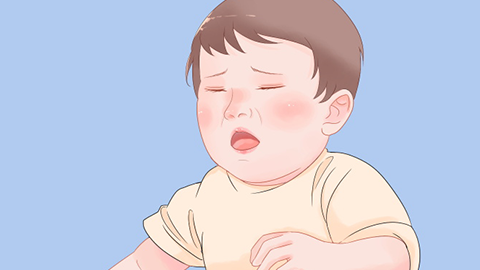
Diarrhea significantly impacts an infant’s health, and parents must take it seriously. We hope this information proves helpful. Wishing you good health and happiness!






