


What should I do for diarrhea?
Jun 02, 2022
Source: Cainiu Health

Dr. Zhao Haiming
Introduction
Dietary management: Patients should consume a light, easily digestible, and oil-free diet while ensuring adequate intake of water, electrolytes, and glucose to prevent hypotension, dehydration, hypoglycemia, and other adverse reactions. Oral rehydration with diluted saline solution or an electrolyte-glucose solution is recommended for prevention.
Pharmacotherapy: Antidiarrheal agents such as montmorillonite powder (e.g., Smecta®) or racecadotril (e.g., Hidrasec®) may be administered. Probiotics or intestinal flora modulators—such as Zhengchangsheng® (containing *Bacillus subtilis* and *Enterococcus faecium*) or Peifeikang® (containing *Bifidobacterium*, *Lactobacillus*, and *Enterococcus*)—may also be prescribed.
During summer, diarrhea is relatively common if dietary precautions are not observed. Once diarrhea occurs, it often leads to loss of appetite. So, what should one do when experiencing diarrhea?
What to Do for Diarrhea
Dietary management is essential: consume light, easily digestible, low-fat foods while ensuring adequate intake of water, electrolytes, and glucose to prevent hypotension, dehydration, or hypoglycemia. Drinking lightly salted water or oral rehydration solutions (containing electrolytes and glucose) can help prevent these complications. Medications may include antidiarrheal agents such as smectite powder or loperamide, and probiotics—e.g., Zhengchangsheng (a probiotic containing Bifidobacterium) or Peifeikang (a multi-strain probiotic)—to restore intestinal flora balance. For severe or persistent diarrhea, prompt identification and treatment of the underlying cause are critical.

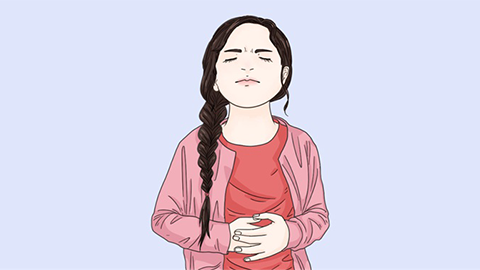
Diarrhea is a common condition with several potential causes. First, acute enteritis—often triggered by abdominal exposure to cold or ingestion of contaminated food—leads to bacterial, viral, or fungal infection of the gut, resulting in intestinal mucosal congestion and edema. Symptoms include markedly increased bowel movements, abdominal pain, loose stools, and sometimes localized fever. Second, functional bowel disorders—primarily due to autonomic nervous system dysfunction affecting gastrointestinal motility—can cause uncoordinated intestinal contractions or heightened visceral sensitivity linked to psychological or emotional factors, leading to frequent, loose stools.
If diarrhea symptoms are mild, certain foods may be beneficial—for example, lychee, apple, and banana. Lychee helps strengthen the spleen and nourish the liver, potentially alleviating chronic diarrhea or abdominal pain caused by spleen deficiency. We hope this information proves helpful.




