


Typical Symptoms of Pneumococcal Pneumonia
Jun 05, 2022
Source: Cainiu Health

Dr. Guo Xiheng
Introduction
Typical symptoms of pneumococcal pneumonia include chills (especially under cold and rainy conditions), high fever, cough, rust-colored sputum, and perioral herpes. Chest X-ray or chest CT may reveal lobar consolidation, and routine blood tests often show elevated white blood cell count with increased neutrophil percentage. Pneumococcal pneumonia is generally treated with appropriate, sensitive antibiotics.
Pneumonia encompasses a wide range of diseases, with varying etiologies and corresponding treatment approaches. Each patient should receive individualized management based on their specific clinical condition to achieve optimal therapeutic outcomes. So, what are the typical symptoms of pneumococcal pneumonia?
Typical Symptoms of Pneumococcal Pneumonia
The classic presentation of pneumococcal pneumonia includes chills—often triggered by cold or rainy weather—followed by high fever, cough, rust-colored sputum, and perioral herpetic lesions. Chest X-ray or chest CT may reveal lobar consolidation, while routine blood tests often show leukocytosis with a marked increase in neutrophil percentage. Pneumococcal pneumonia is typically treated with appropriate, pathogen-sensitive antibiotics, leading to effective disease control. However, if complications such as pleural effusion, empyema, respiratory failure, or septic shock coexist, prompt and targeted intervention is essential.
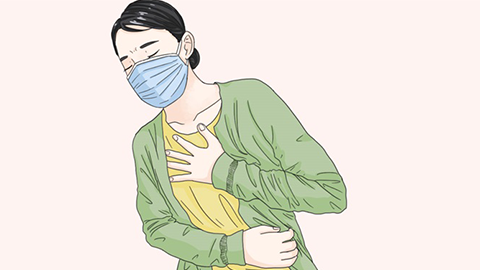
For pneumococcal pneumonia, antibiotics should be administered regularly and for the full prescribed duration, strictly following the physician’s recommendations. Commonly used antibiotics include penicillin, erythromycin, cephalosporins, and azithromycin. Patients should maintain adequate hydration, consume a low-salt, low-fat diet, and supplement with high-quality protein sources such as eggs and milk. Fresh fruits and vegetables rich in vitamin C should be included, and smoking and alcohol consumption must be avoided. Bed rest is advised during both the acute phase and recovery period to ensure sufficient rest.
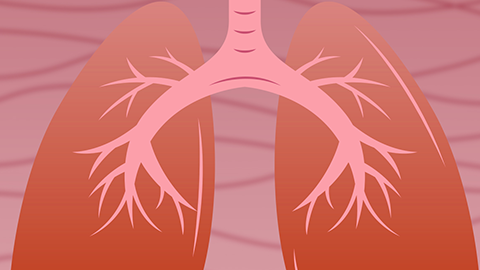
After symptom resolution, patients should gradually resume physical activity under medical guidance. We hope this information proves helpful to you.




