What should I do for knee pain caused by rheumatism?
Jun 06, 2022
Source: Cainiu Health
Dr. Liu Aihua
Introduction
Rheumatic knee pain is typically first managed with medication under a physician’s guidance to alleviate symptoms. Colchicine may be used to control foot inflammation and reduce swelling, while traditional Chinese patent medicines that promote blood circulation and resolve blood stasis can also be selected to improve circulation and relieve pain. General supportive measures—such as optimizing the patient’s living conditions and applying warm, moist compresses to the affected area daily—may also aid joint recovery.
In daily life, prolonged standing or excessive walking may sometimes cause knee pain, which can significantly impair a patient’s ability to walk. Some patients continue to experience knee pain during rainy weather. If left untreated early, this pain may become chronic. So, what should be done for rheumatic knee pain?
What to Do for Rheumatic Knee Pain
In general, the initial management of rheumatic knee pain requires physician-guided pharmacological treatment to alleviate symptoms. Colchicine may be prescribed to control inflammation and reduce swelling in the affected area; alternatively, traditional Chinese patent medicines that promote blood circulation and resolve blood stasis may be used to improve microcirculation and relieve pain. Conservative measures—such as optimizing living conditions and applying warm compresses (e.g., a hot towel) to the affected joint daily—can also support joint repair. In cases with atypical or complex presentations, patients should consult a rheumatology and immunology specialist for differential diagnosis and receive individualized, professional treatment guidance.
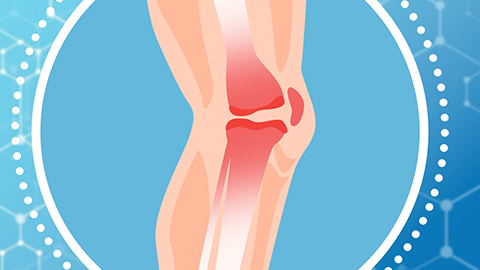
For patients with rheumatic knee pain, antibiotics may be prescribed under medical supervision. Nonsteroidal anti-inflammatory drugs (NSAIDs) or glucocorticoids may also be considered. For example, erythromycin is commonly used as an antibiotic; diclofenac sodium serves as an NSAID; and prednisone is frequently prescribed as a glucocorticoid. All medications must be taken strictly as directed by a physician—self-medication without professional guidance is strongly discouraged. Complementary traditional Chinese medicine (TCM) approaches—including physical therapy, acupuncture, thermotherapy, topical herbal applications, moisture prevention, thermal insulation, and light therapy—may help enhance local blood circulation and alleviate pain. During active disease flares, patients should increase their intake of vitamins and consume high-protein, nutrient-dense foods while avoiding raw, cold, or leftover foods, as these may exacerbate symptoms.
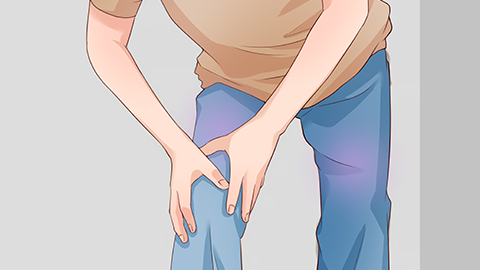
It is advisable to keep the joints warm in daily life—especially during spring and autumn—and avoid prolonged exposure to damp environments. Joint-loading activities should be minimized, and exercise should be introduced gradually and progressively. We hope this information proves helpful to you.