


How to Treat Rheumatic Knee Pain
Jun 06, 2022
Source: Cainiu Health

Dr. Liu Aihua
Introduction
Treatment of knee joint rheumatic pain should be individualized and based on the patient’s underlying condition. If the knee joint disorder is caused by osteoarthritis, intra-articular injection of sodium hyaluronate may be administered to help improve joint function. Patients should also achieve appropriate weight loss to reduce joint loading and engage in therapeutic exercises as part of their medical management to alleviate symptoms.
Joint pain may be caused by rheumatoid arthritis, a common inflammatory disorder affecting connective tissue. Clinically, it manifests as joint pain, swelling, and deformity—with pain being the most prominent symptom. For patients with rheumatoid arthritis, effectively alleviating inflammation begins with addressing the underlying rheumatic condition. So, how is knee rheumatic pain treated?
How to Treat Knee Rheumatic Pain
Treatment of knee rheumatic pain must be individualized and tailored according to the patient’s primary disease. If knee involvement stems from osteoarthritis, intra-articular injection of sodium hyaluronate may be administered to improve joint function. Patients should also aim for appropriate weight loss to reduce mechanical stress on the joints and engage in medically supervised exercise to relieve symptoms. Diacerein capsules may be used therapeutically. In cases where knee symptoms arise from rheumatoid arthritis, analgesics may be prescribed for pain relief; biologic agents may also be considered.
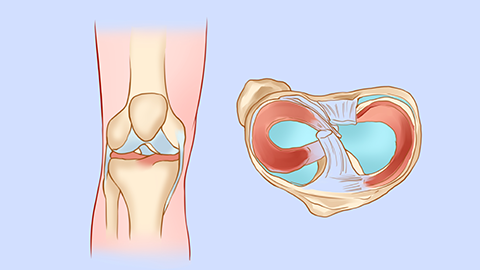
For knee rheumatic pain, antibiotic agents, nonsteroidal anti-inflammatory drugs (NSAIDs), or glucocorticoids may be selected. Erythromycin serves as an example of an antibiotic; diclofenac sodium is a commonly used NSAID; and prednisone is frequently prescribed as a glucocorticoid. All medications must be taken strictly as directed by a physician—self-medication without medical supervision is strongly discouraged. Traditional Chinese medicine (TCM) modalities—including physical therapy, acupuncture, thermotherapy, topical herbal applications, and irradiation—may also be employed to enhance local blood circulation and alleviate pain.
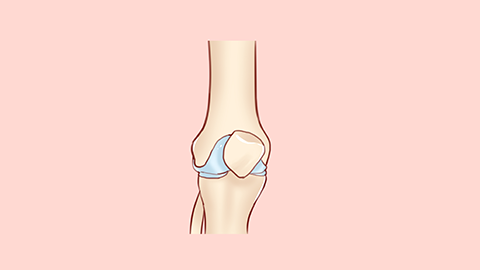
During active disease flares, supplementation with nutrients such as arginine and vitamin D may support bone health. We hope this information proves helpful to you.





